
 Save
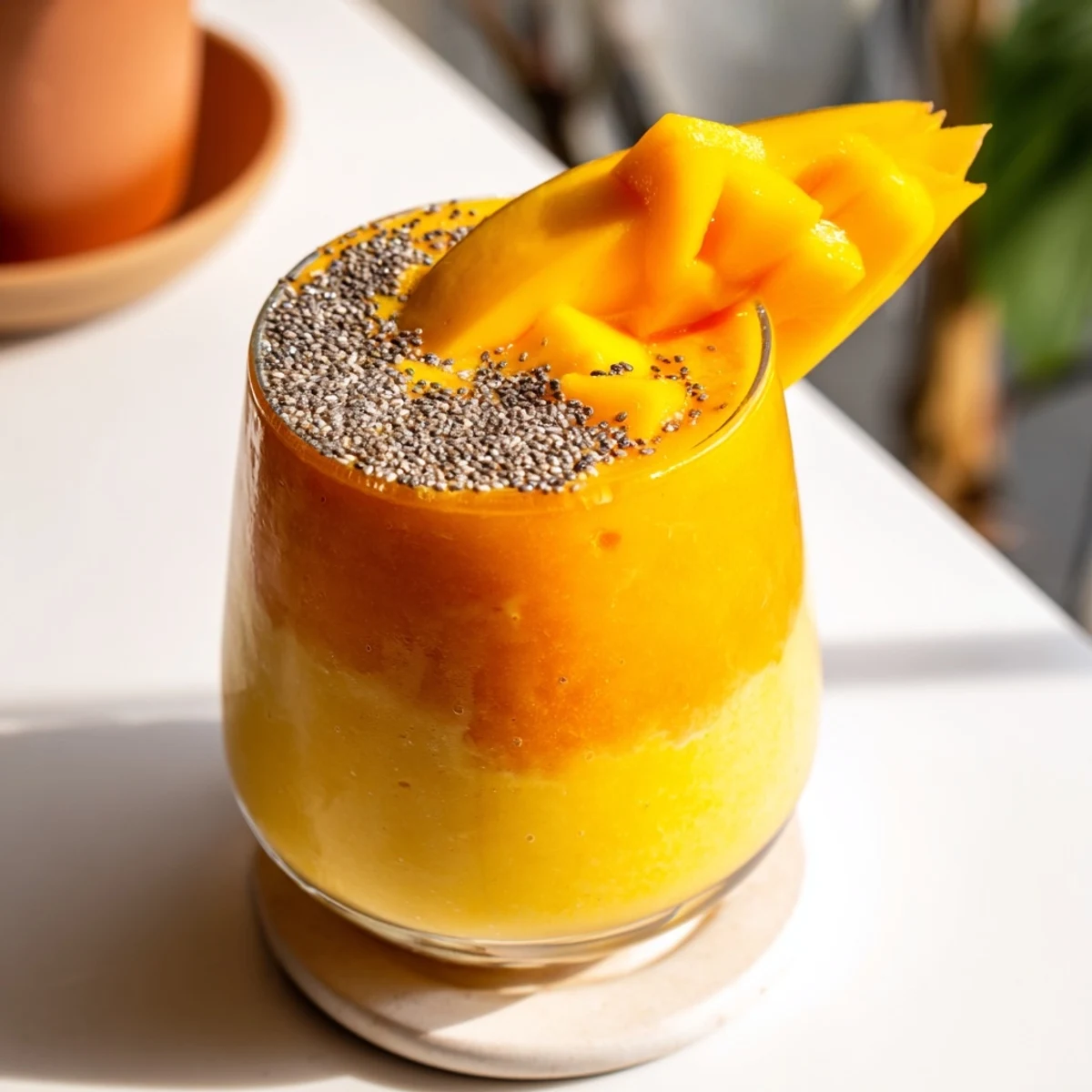
Save This vibrant smoothie combines frozen mango, pineapple, and banana with fresh orange juice and creamy coconut milk. A scoop of vanilla protein powder adds 18 grams of protein per serving, making it an ideal choice for breakfast or post-workout recovery. Ready in just 5 minutes, this naturally sweet beverage delivers refreshing tropical flavors with optional chia seeds for extra nutrition.
The blender was screaming at six in the morning and my roommate came stumbling out of her bedroom convinced something was on fire. I was standing there in mismatched socks, pouring a violently orange liquid into two glasses, grinning like an idiot because it actually tasted incredible. That was the morning this tropical protein smoothie became a non negotiable part of my routine, and honestly, it saved me from skipping breakfast more times than I care to admit.
I started making this for my running group after Saturday morning jogs, and now people text me the night before to confirm I am bringing the orange stuff. There is something deeply satisfying about handing someone a cold glass of something nourishing when they are still catching their breath.
Ingredients
- Frozen mango chunks (1 cup): The backbone of the tropical flavor, and frozen means you get thickness without watering anything down.
- Frozen pineapple chunks (1/2 cup): Adds a bright tangy edge that keeps the smoothie from feeling too heavy or one dimensional.
- Banana, sliced (1 small): This is what makes the texture velvety and adds natural sweetness without any added sugar.
- Orange juice, preferably fresh (1 cup): Fresh squeezed is a game changer here, the kind of detail you think will not matter until you try it both ways.
- Unsweetened coconut milk (1/2 cup): Brings a subtle creaminess and a faint tropical undertone that ties everything together beautifully.
- Vanilla protein powder, whey or plant based (1 scoop): The quiet workhorse in this recipe, choose a brand you actually like because it will peek through the fruit.
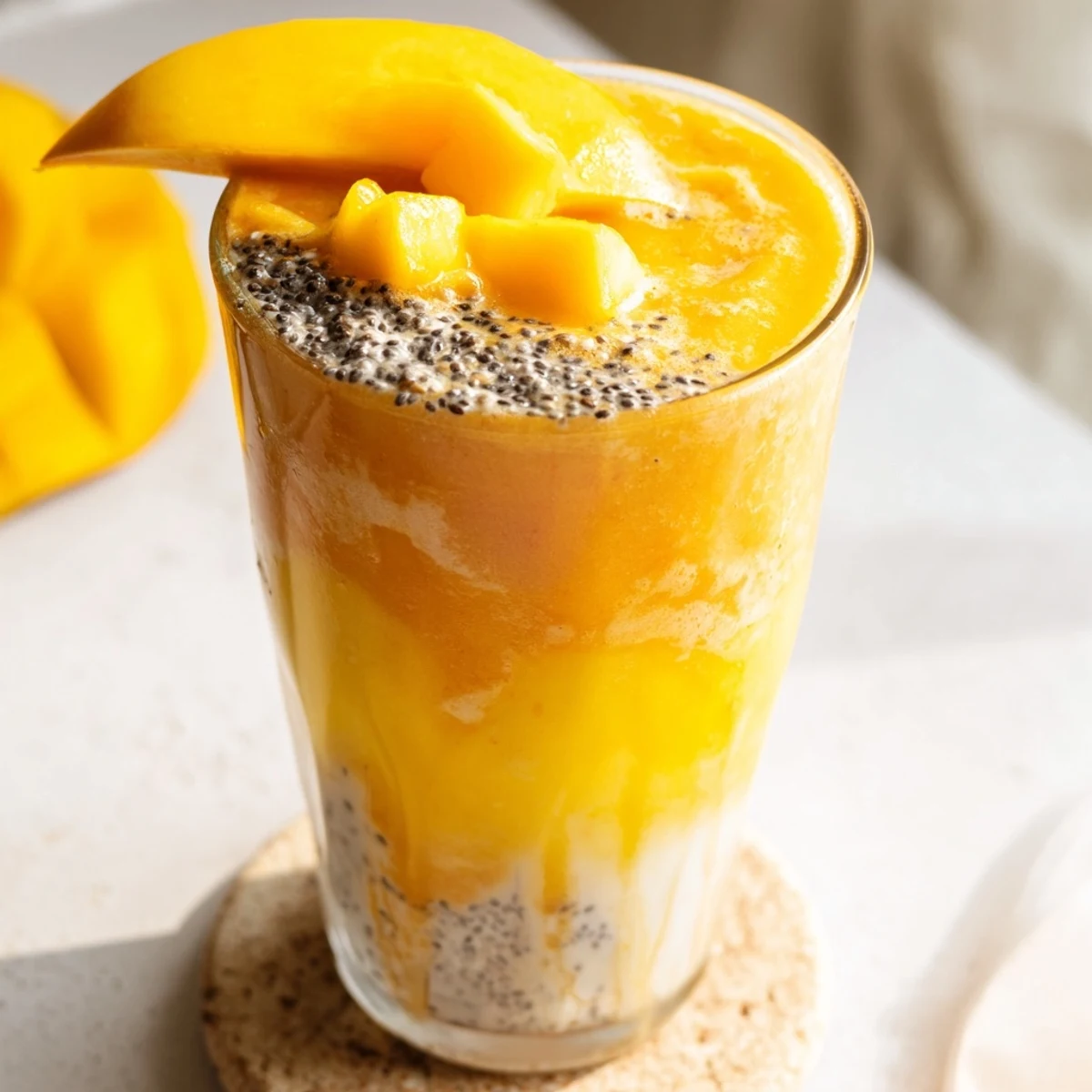
- Chia seeds (1 tablespoon, optional): A little texture boost and some omega threes, plus they look pretty sprinkled on top.
- Honey or agave syrup (1 teaspoon, optional): Only needed if your fruit is not quite sweet enough, taste before adding.
- Ice cubes (as needed): Toss a few in if you like your smoothie extra thick and frosty.
Instructions
- Load up the blender:
- Toss the frozen mango, pineapple, sliced banana, orange juice, coconut milk, and protein powder into your blender. Put the liquids in first if your blender struggles with frozen fruit, it helps everything catch and blend more evenly.
- Add your extras:
- If you are using chia seeds, honey, or agave, drop them in now along with a handful of ice cubes if you want that extra chill factor.
- Blend until silky:
- Run the blender on high for about sixty seconds, stopping once to scrape down the sides if needed. You are looking for a smooth, creamy consistency with no stubborn fruit chunks hiding in there.
- Pour and enjoy:
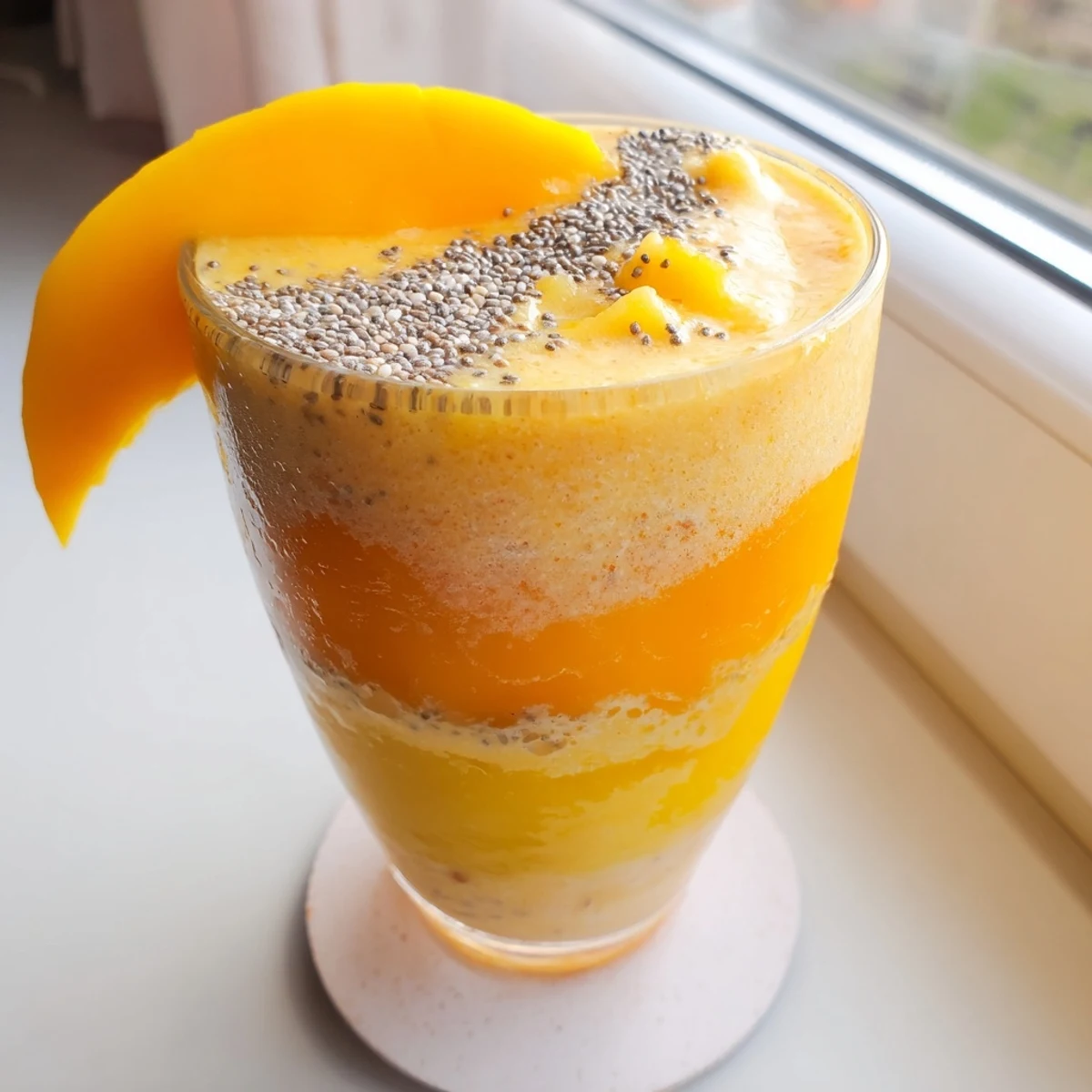
- Divide between two glasses and serve right away while it is cold and frothy. Garnish with a slice of fresh mango or a sprinkle of chia seeds if you are feeling fancy.
 Save
Save One sweltering August afternoon I handed a glass of this to my neighbor who had been mowing her lawn for an hour, and she stood on the driveway in silence just drinking it. She brought back the washed glass the next day with a handwritten note asking for the recipe.
When to Blend and When to Wait
This smoothie is best the moment it comes out of the blender, when the texture is at its most lush and the cold is almost shocking in a good way. If you must store it, keep it in a sealed jar in the fridge for up to a day, but give it a vigorous shake before drinking because separation is inevitable.
Swaps That Actually Work
Almond milk steps in for coconut milk seamlessly, and frozen peaches can replace the mango in a pinch if that is what you have rattling around your freezer. A handful of raw spinach blends in invisibly, which I discovered during a phase where I was trying to eat more greens without actually tasting them.
Allergen Watch and Final Thoughts
Coconut is technically a tree nut, so flag that for anyone with allergies, and always double check your protein powder label since brands vary wildly in what they process alongside their product. A few small considerations go a long way toward making this something everyone at the table can enjoy.
- Plant based protein powder makes the entire recipe vegan and dairy free without changing the flavor much at all.
- If you are sensitive to fructose, swap half the orange juice for water and add an extra half scoop of protein to keep the body.
- Always taste before you sweeten, ripe bananas often make honey completely unnecessary.
 Save
Save Keep a bag of pre measured frozen fruit in the freezer and this becomes the easiest healthy habit you will ever maintain. Your future self, rushing out the door with a glass in hand, will thank you.
Common Questions
- → Can I make this smoothie ahead of time?
-
For best texture and freshness, blend and serve immediately. The smoothie will separate if stored, though you can give it a quick stir to combine before drinking.
- → What protein powder works best?
-
Vanilla whey or plant-based protein powder both blend smoothly. Choose your preferred type based on dietary needs—whey for creaminess or pea/hemp protein for vegan options.
- → Can I use fresh fruit instead of frozen?
-
Fresh fruit works but may create a thinner consistency. Add extra ice cubes to achieve the same thick, frosty texture that frozen fruit provides naturally.
- → How can I make this vegan?
-
Use plant-based protein powder and ensure your protein choice doesn't contain dairy. The smoothie is naturally dairy-free aside from the protein powder selection.
- → What can I substitute for coconut milk?
-
Almond milk, oat milk, or cashew milk all work beautifully. Each brings a slightly different flavor profile while maintaining the creamy texture.
- → Is this smoothie kid-friendly?
-
Absolutely. The natural fruit flavors create a sweet taste kids love, while the banana adds creaminess. You can reduce protein powder to half a scoop for smaller portions.