
 Save
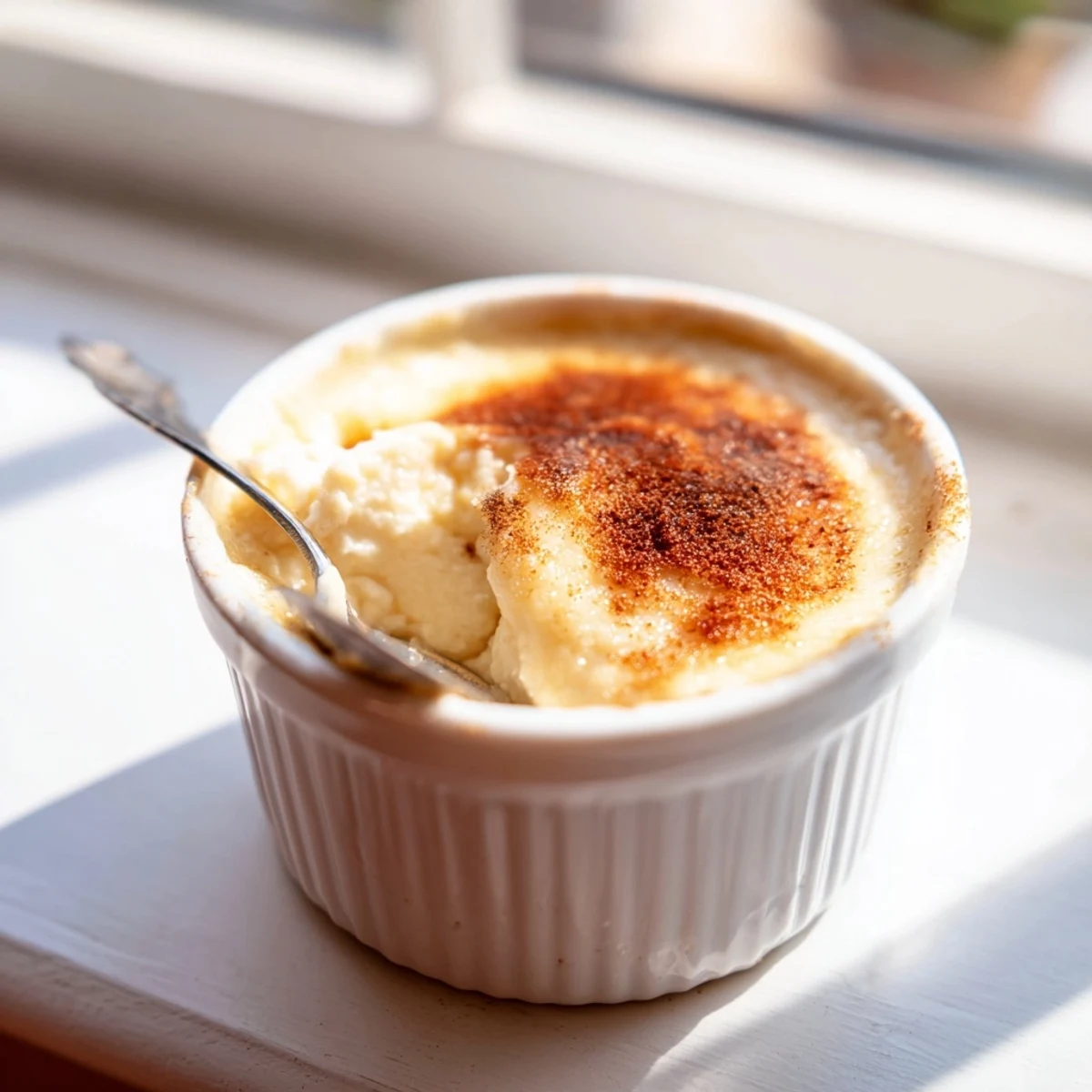
Save This beloved Portuguese dessert combines tender short-grain rice slowly simmered in whole milk and heavy cream until luxuriously thick. Infused with lemon peel and cinnamon during cooking, the custard achieves a delicate balance of citrus brightness and warm spice. Enriched with egg yolks and butter, each spoonful offers an incredibly smooth, velvety texture that melts in your mouth.
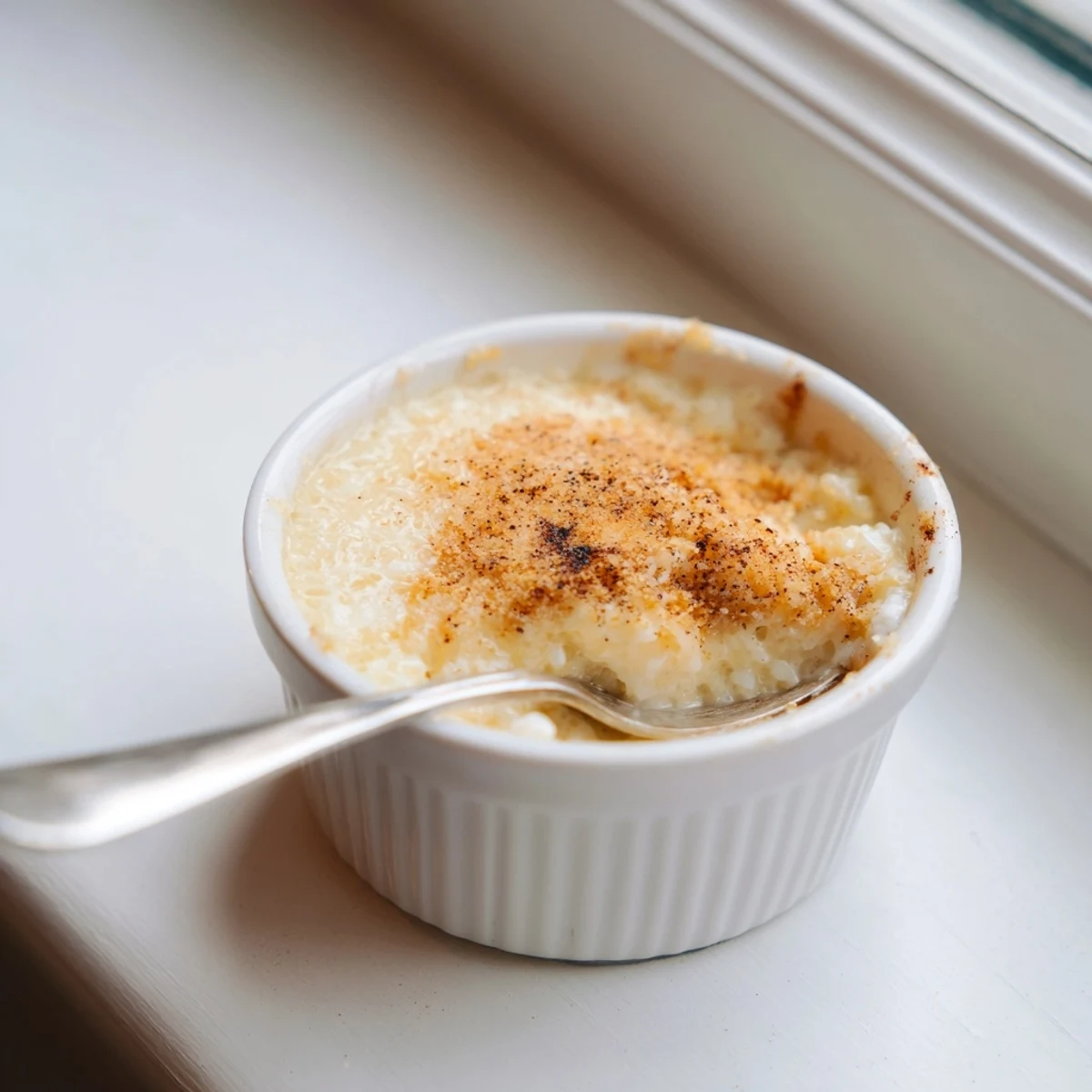
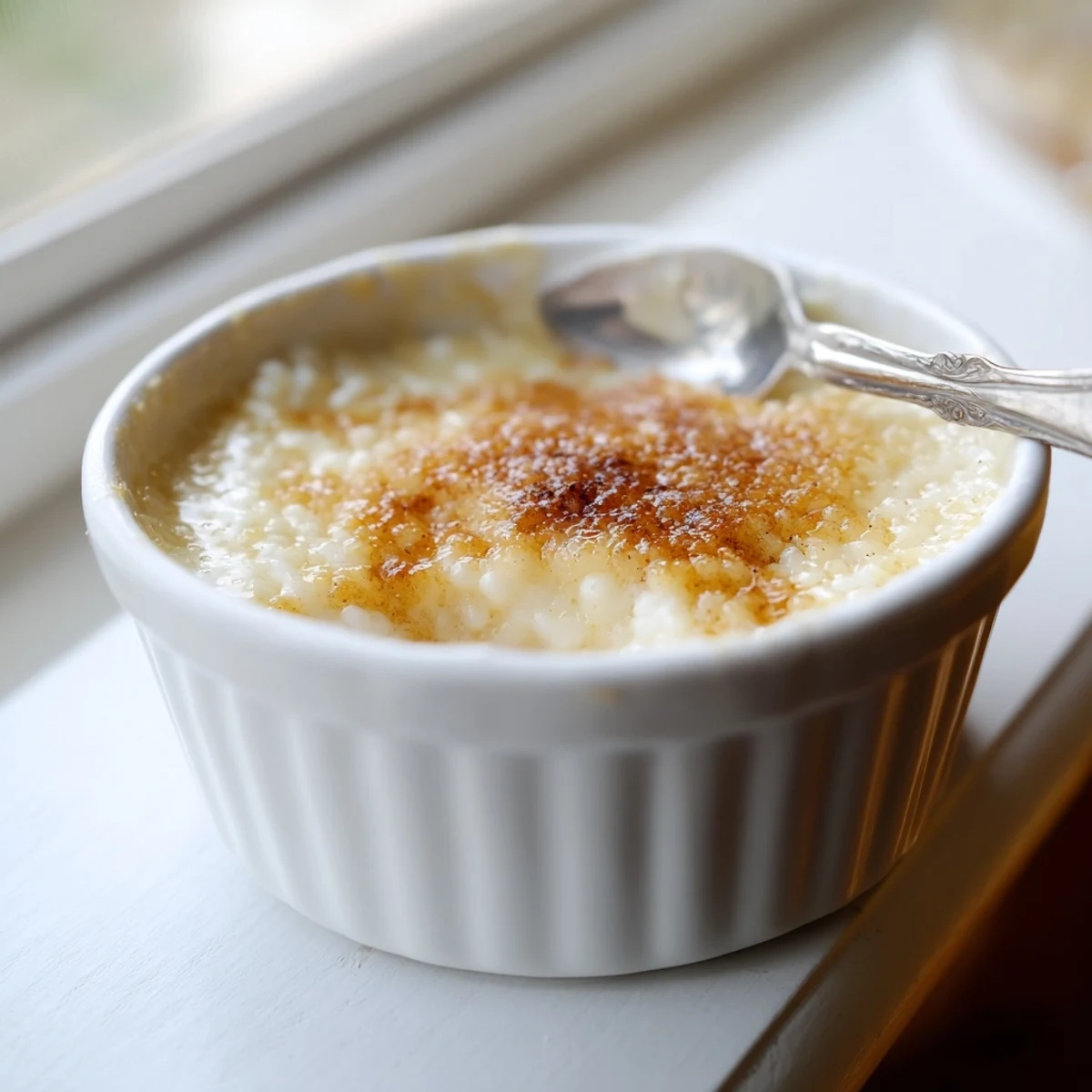
The final touch—a generous dusting of cinnamon-sugar—creates a beautifully golden, slightly crunchy top that contrasts perfectly with the creamy interior. Serve warm for maximum comfort or chilled for a refreshing summer treat.
The first time I made rice custard, I was living in a tiny apartment with a kitchen that barely fit two people. I'd found this old Portuguese cookbook at a garage sale, the pages stained and smelling like vanilla. That evening, as the milk simmered with lemon peel and cinnamon, my whole apartment filled with this warm, sweet scent that made everything feel cozy. My roommate came in, asking what bakery I'd secretly visited, and looked genuinely shocked when I pointed to the humble pot of bubbling rice.
Last winter, during a particularly brutal cold snap, I made a massive batch of this custard for a dinner party. Everyone sat around the table in thick sweaters, steam rising from their bowls, and there was this moment of absolute silence when they all took their first bites. My friend Sarah, who's usually immune to desserts, actually closed her eyes and made this soft sound of pure contentment. Now every time the temperature drops below freezing, I get texts asking if 'the rice pudding' is making an appearance.
Ingredients
- Short grain rice: This variety releases more starch as it cooks, creating that signature velvety texture that makes Portuguese rice custard so incredibly creamy
- Whole milk and heavy cream: The combination of both gives you richness without being overwhelmingly heavy, so the custard feels indulgent but still delicate
- Lemon peel in strips: Using large strips instead of grated zest makes it effortless to remove after infusing, giving you bright citrus notes without any bitter pith
- Cinnamon stick: Whole cinnamon adds a warm, earthy depth that ground cinnamon cant quite achieve during the cooking process
- Egg yolks: Four yolks might seem generous, but this is what creates that luxurious, silky custard texture that sets this apart from ordinary rice pudding
- Butter: Just two tablespoons adds an extra layer of velvety richness that makes the custard feel restaurant quality
Instructions
- Simmer the rice with aromatics:
- Combine the rice, whole milk, heavy cream, lemon peel strips, cinnamon stick, and salt in a medium saucepan. Bring everything to a gentle simmer over medium heat, stirring occasionally to prevent sticking, and let those beautiful flavors start mingling together.
- Cook until tender and creamy:
- Reduce the heat to low and cook for 25 to 30 minutes, stirring often as the rice absorbs liquid and the mixture thickens into a gorgeous consistency. Remove the lemon peel and cinnamon stick once theyve done their job.
- Add sweetness and richness:
- Stir in the sugar, butter, and vanilla extract, cooking for just 2 to 3 minutes until the sugar completely dissolves and the butter melts into the custard.
- Temper the egg yolks:
- Whisk your egg yolks in a separate bowl, then gradually add a few spoonfuls of the hot rice mixture while whisking continuously. This gentle warming prevents the eggs from scrambling when you add them to the main pot.
- Thicken the custard:
- Pour the tempered yolks back into the saucepan and cook gently over low heat, stirring constantly for 2 to 3 minutes until the mixture slightly thickens. Be careful not to let it boil, or youll lose that silky smooth texture.
- Transfer to serving dishes:
- Pour the custard into individual ramekins or a large serving dish, whatever feels right for your occasion.
- Add the cinnamon sugar topping:
- Combine the remaining granulated sugar with ground cinnamon and sprinkle it generously over the custard while its still warm.
- Cool and serve:
- Let the rice custard cool to room temperature, then serve it warm or chilled depending on your preference.
 Save
Save There's something deeply comforting about standing at the stove, stirring a pot of rice and milk as it slowly transforms into something golden and luscious. My grandmother used to say that custards like this were made for long conversations, because they demanded patience and rewarded you with something worth lingering over. Now whenever I make this, I find myself lingering at the stove longer than necessary, watching the bubbles rise and thinking about how many other cooks have stood over similar pots across centuries and oceans.
The Perfect Texture
Short grain rice is absolutely essential here because it releases starch as it cooks, naturally thickening the custard without needing flour or cornstarch. I've tried making this with Arborio and even regular long grain rice, and neither gives you that characteristic creaminess that makes Portuguese rice custard so special. The rice should be tender but still retain a tiny bit of bite at the center, giving you this wonderful textural contrast in every spoonful.
Temperature Mastery
Getting the temperature right during the egg yolk stage is where most people stumble, and I speak from experience after several attempts that ended in grainy disappointment. Keep the heat low and stir constantly, paying attention to how the mixture coats the back of your spoon. You'll know it's ready when it thickens just enough to leave a clear path when you run your finger through it, but still flows like a luxurious sauce.
Serving Suggestions
This custard is incredibly versatile and can be dressed up or down depending on the occasion. I love serving it slightly warm on cold nights, but chilled custard feels like such a luxury during summer, especially when topped with fresh berries or a drizzle of honey.
- A small glass of port or sweet Madeira wine alongside each serving makes this feel like a proper Portuguese dessert experience
- Extra cinnamon sugar on the table lets everyone adjust the topping to their taste, because some people like a thicker crust than others
- The flavors deepen overnight, so this actually tastes even better the next day if you can resist eating it all immediately
 Save
Save Whether you're making this for a dinner party or just a quiet Tuesday evening, this rice custard has a way of making any moment feel a little more special. The best recipes are the ones that become part of your story, and this one has certainly become part of mine.
Common Questions
- → What type of rice works best for Portuguese rice custard?
-
Short-grain rice is ideal because its high starch content creates a naturally creamy texture as it cooks. Arborio or other risotto-style rice varieties work beautifully, absorbing the milk while releasing starch to thicken the custard.
- → Why must I temper the egg yolks before adding them?
-
Tempering prevents the eggs from scrambling when they hit the hot mixture. By gradually whisking small amounts of the hot rice into the yolks, you gently raise their temperature so they incorporate smoothly and create that signature silky consistency.
- → Can I make Portuguese rice custard ahead of time?
-
Absolutely. In fact, the flavors deepen and the texture becomes even creamier after chilling in the refrigerator for several hours or overnight. Simply bring to room temperature before serving if you prefer it warm, or enjoy cold straight from the fridge.
- → What's the purpose of the lemon peel during cooking?
-
The lemon peel infuses the custard with subtle citrus brightness that balances the rich dairy and sweetness. Be sure to remove the white pith before adding, as it can impart bitterness. The result is a fragrant, aromatic dessert that isn't overly sweet.
- → Can I substitute the heavy cream?
-
While heavy cream provides the richest, most luxurious texture, you can substitute with additional whole milk for a lighter version. The custard will be slightly less velvety but still delicious. For a dairy-free alternative, coconut milk creates a creamy consistency with tropical notes.