
 Save
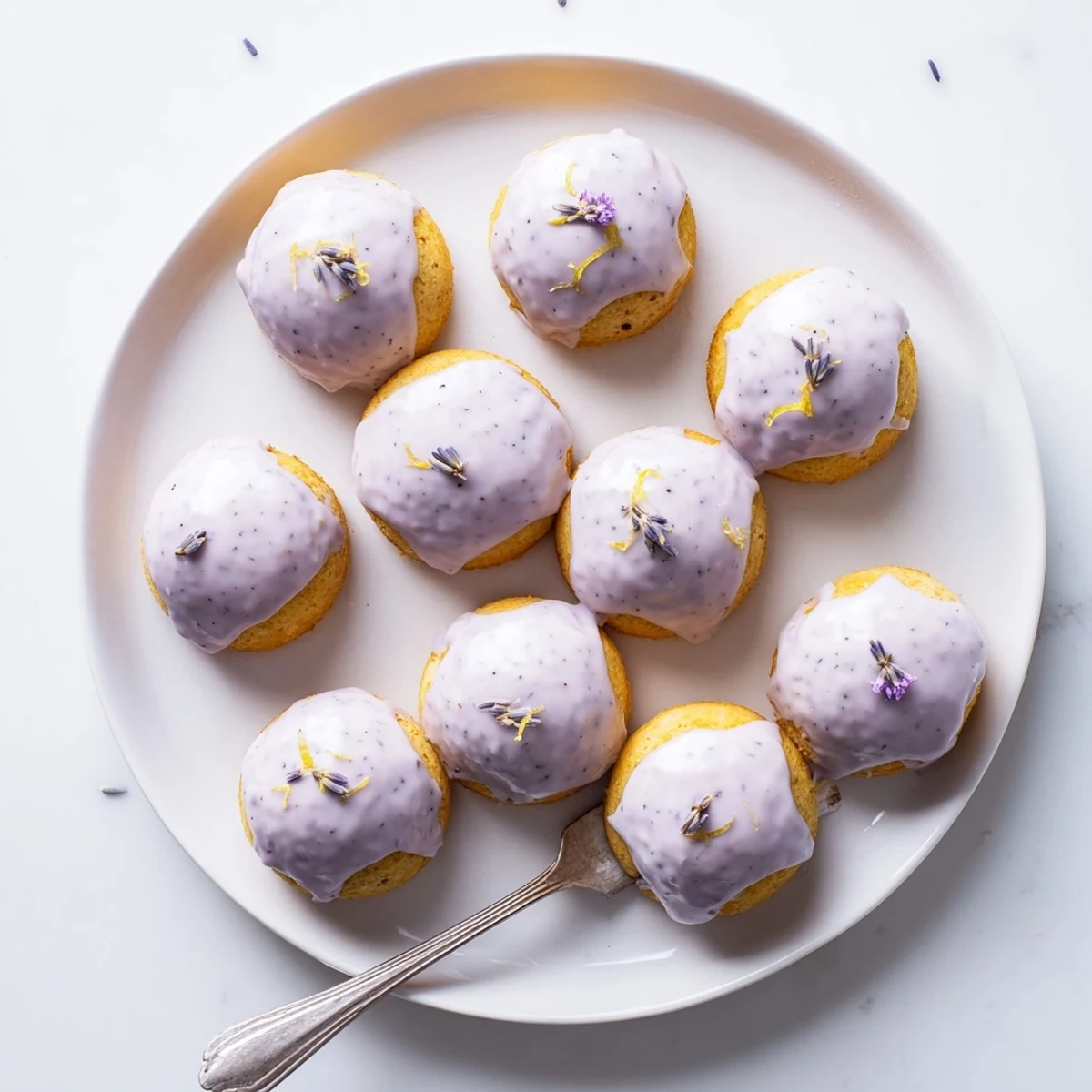
Save These tender mini lemon cakes deliver bright citrus flavor complemented by an aromatic lavender-infused glaze. The batter comes together with basic pantry staples — flour, butter, eggs, and fresh lemon juice and zest — then bakes in just 18 minutes. The glaze combines powdered sugar with ground culinary lavender and a splash of lemon juice for a fragrant, pourable finish. Serve them alongside hot tea or sparkling wine for a refined touch. You can make the cakes ahead and store them unglazed for up to two days, making them a practical yet impressive option for gatherings.
My neighbor Ruth brought back a tiny jar of culinary lavender from a trip to Provence, and I had absolutely no idea what to do with it until a rainy Sunday pushed me into the kitchen with a lemon on its last legs. The smell that filled my apartment when that glaze hit the warm cakes was something I didn't expect, kind of floral but not soapy, just delicate and strange in the best way.
I made a double batch for a book club meeting and watched three people pick up their mini cakes, sniff them with suspicion, then immediately ask for the recipe. One friend ate four before anyone else got seconds.
Ingredients
- All-purpose flour (1 cup/130 g): Spoon and level it gently, packing flour is the fastest way to dense little cakes.
- Granulated sugar (1/2 cup/100 g): This is modest on purpose so the glaze can carry the sweetness without the whole thing becoming cloying.
- Unsalted butter, softened (1/4 cup/60 g): Truly soft, not just left on the counter for ten minutes, you want it to yield when you press it.
- Large eggs (2): Room temperature eggs incorporate so much smoother into the batter.
- Whole milk (1/4 cup/60 ml for batter, 1 1/2 tbsp for glaze): Whole milk makes a noticeable difference in tenderness here.
- Fresh lemon juice (2 tbsp for batter, 1 tbsp for glaze): Bottled juice will work in a pinch but fresh has a brightness you can taste.
- Lemon zest (1 tbsp): Zest before you juice, always, it is so much easier that way.
- Baking powder (1/2 tsp) and baking soda (1/4 tsp): The combo gives a gentle rise without that metallic taste too much baking powder can leave.
- Fine salt (1/4 tsp): Do not skip this, it wakes up every other flavor.
- Vanilla extract (1/2 tsp): A small amount that just rounds out the lemon rather than competing with it.
- Powdered sugar, sifted (1 cup/120 g): Sifting is nonnegotiable for a smooth glaze, lumps will ruin the look.
- Culinary lavender buds, finely ground (1/2 tsp): Make sure it says culinary on the package, craft store lavender can have additives you do not want to eat.
Instructions
- Get your oven and pan ready:
- Preheat to 350°F (175°C) and grease every mold of your mini cake pan or muffin tin thoroughly, including the flat tops between molds if your pan has them.
- Cream the butter and sugar:
- Beat them together until the mixture looks pale and fluffy, about two to three minutes with an electric mixer or a little longer by hand.
- Add the eggs and flavor:
- Drop in the eggs one at a time, mixing well after each, then stir in the lemon zest, lemon juice, and vanilla until everything is combined.
- Whisk the dry ingredients:
- In a separate bowl, combine the flour, baking powder, baking soda, and salt so the leavening distributes evenly.
- Bring it all together:
- Alternate adding the dry mixture and milk to the wet ingredients, starting and ending with the flour, and stop mixing the second you see no more dry streaks.
- Fill and bake:
- Divide the batter among the molds and bake for 16 to 18 minutes, checking with a toothpick in the center of one cake.
- Cool properly:
- Let them sit in the pan for five minutes before moving them to a wire rack, and wait until they are completely cool before glazing.
- Make the lavender glaze:
- Whisk together the sifted powdered sugar, milk, ground lavender, and lemon juice until you get a smooth, pourable consistency.
- Finish the cakes:
- Drizzle or spoon the glaze over each cooled mini cake and scatter a few extra lavender buds or lemon zest pieces on top if you want that extra visual touch.
 Save
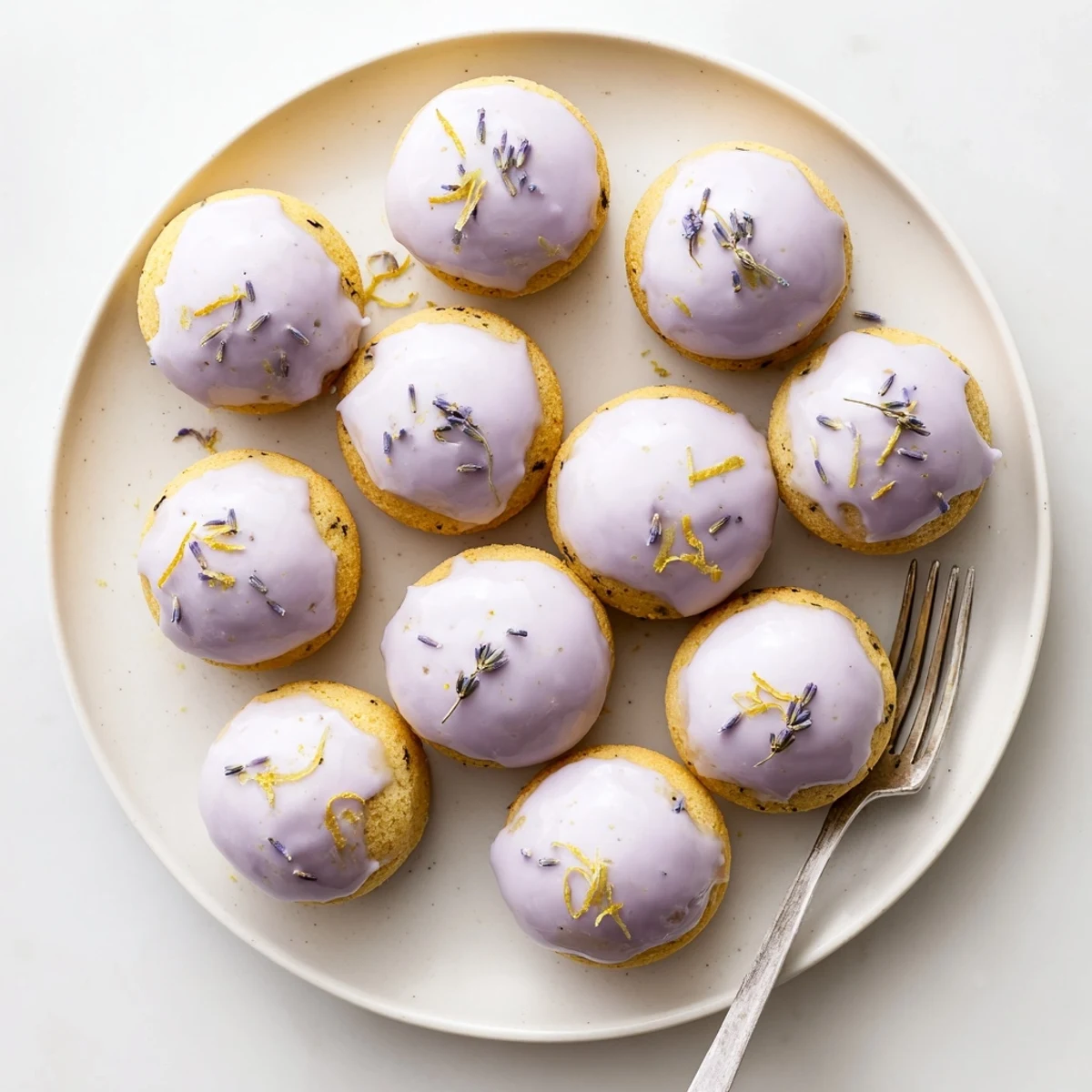
Save There was a particular afternoon last spring when I set a plate of these on the windowsill to catch the light and my roommate walked in, stopped, and just said nothing for a full ten seconds. That silence meant more than any compliment could.
Getting the Lavender Balance Right
The trickiest part of this recipe is trusting that a half teaspoon of lavender is enough. I once doubled it thinking more would be better and ended up with cakes that tasted like scented hand soap. Start small, taste the glaze, and only add more if you are certain.
Making These Ahead
The cakes themselves hold up beautifully for two days in an airtight container, but keep the glaze separate until you are ready to serve. Glazed cakes stored too long get soggy on top and that contrast between the crackly glaze and soft crumb is the whole point.
Serving Ideas That Elevate the Moment
I have found these pair best with something slightly bitter to cut through the sweetness, like a strong Earl Grey or an herbal green tea. A glass of prosecco on the side does not hurt either.
- Arrange them on a tiered stand for an instant afternoon tea vibe.
- Add a thin slice of lemon on each plate for color.
- Dust the plate edge with a tiny pinch of extra ground lavender right before serving.
 Save
Save These little cakes have become my go to when I want to make someone feel special without spending the whole day in the kitchen. Sometimes the smallest things on a plate carry the biggest warmth.
Common Questions
- → Can I make these mini lemon cakes ahead of time?
-
Yes. Bake the cakes and let them cool completely, then store unglazed in an airtight container for up to two days. Add the lavender glaze just before serving for the freshest flavor and appearance.
- → How do I get a stronger lavender flavor in the glaze?
-
Warm the milk for the glaze with culinary lavender buds, then strain before whisking into the powdered sugar. This infusion draws out more of the floral essence without adding grittiness.
- → Can I use regular dried lavender instead of culinary lavender?
-
It is not recommended. Non-culinary lavender may contain pesticides or additives. Always use lavender specifically labeled as culinary-grade when cooking or baking.
- → What can I substitute for the mini cake pan?
-
A standard muffin tin works perfectly. You can also use a mini bundt pan or small ramekins, adjusting the baking time slightly depending on the mold size.
- → Are these mini lemon cakes suitable for vegetarians?
-
Yes. The ingredients contain no meat or animal-derived products beyond dairy and eggs, making them fully vegetarian. They do contain wheat, eggs, and dairy for those monitoring allergens.
- → What pairs well with these lavender-glazed lemon cakes?
-
Hot black or herbal tea complements the floral notes beautifully. A glass of prosecco or sparkling wine also works well for a more celebratory occasion.