
 Save
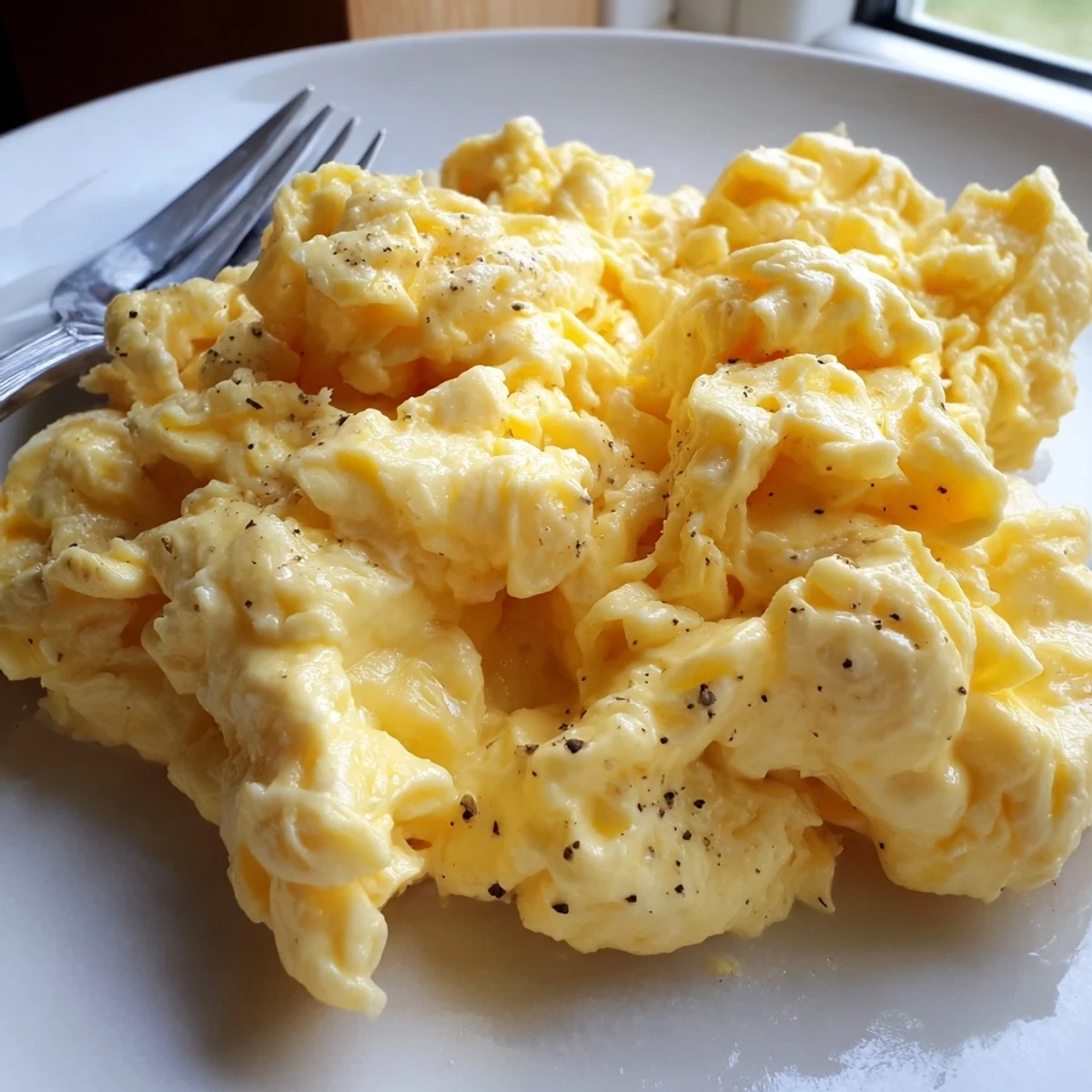
Save Create the perfect plate of creamy scrambled eggs using just four eggs, a splash of milk or cream, and butter. The secret lies in cooking over gentle medium-low heat while continuously pushing the eggs toward the center to form soft curds. This method yields irresistibly fluffy results that remain moist and tender. Ready in under 10 minutes, this dish suits busy mornings yet feels special enough for weekend brunch.
My roommate in college used to make scrambled eggs every Sunday morning, and I watched her technique for weeks before finally asking what made hers so different. She smiled and said it was all about patience and low heat—something I struggled with in my impatient twenties. Now these eggs are my go-to comfort breakfast, especially on rainy mornings when I need something warm and forgiving.
Last winter my sister came over for a surprise visit, looking exhausted from work deadlines. I made these eggs while she sat at my counter, and she literally closed her eyes after the first bite, saying it was exactly what she needed. Now whenever she visits, she asks for them specifically—no variations needed.
Ingredients
- 4 large eggs: I always use room temperature eggs because they incorporate more air and yield fluffier curds
- 2 tbsp whole milk or cream: Cream makes them unbelievably rich, but milk works beautifully for everyday mornings
- 1 tbsp unsalted butter: Butter adds flavor and prevents sticking better than oil in my experience
- 1/4 tsp salt: I season the eggs before cooking rather than after, which seems to make the flavor more even
- 1/8 tsp freshly ground black pepper: Freshly ground pepper has a brightness that pre-ground just cannot match
Instructions
- Whisk your base:
- Crack the eggs into a bowl, add the milk or cream, salt, and pepper, then whisk until slightly frothy and well combined
- Melt your butter:
- Heat butter in a nonstick skillet over medium-low heat until melted and gently bubbling—watch closely so it does not brown
- Start the cooking:
- Pour in the egg mixture and let it sit for just a few seconds until the edges begin to set slightly
- Create soft curds:
- Using a spatula, gently push the eggs from the edges toward the center, forming soft curds
- Finish gently:
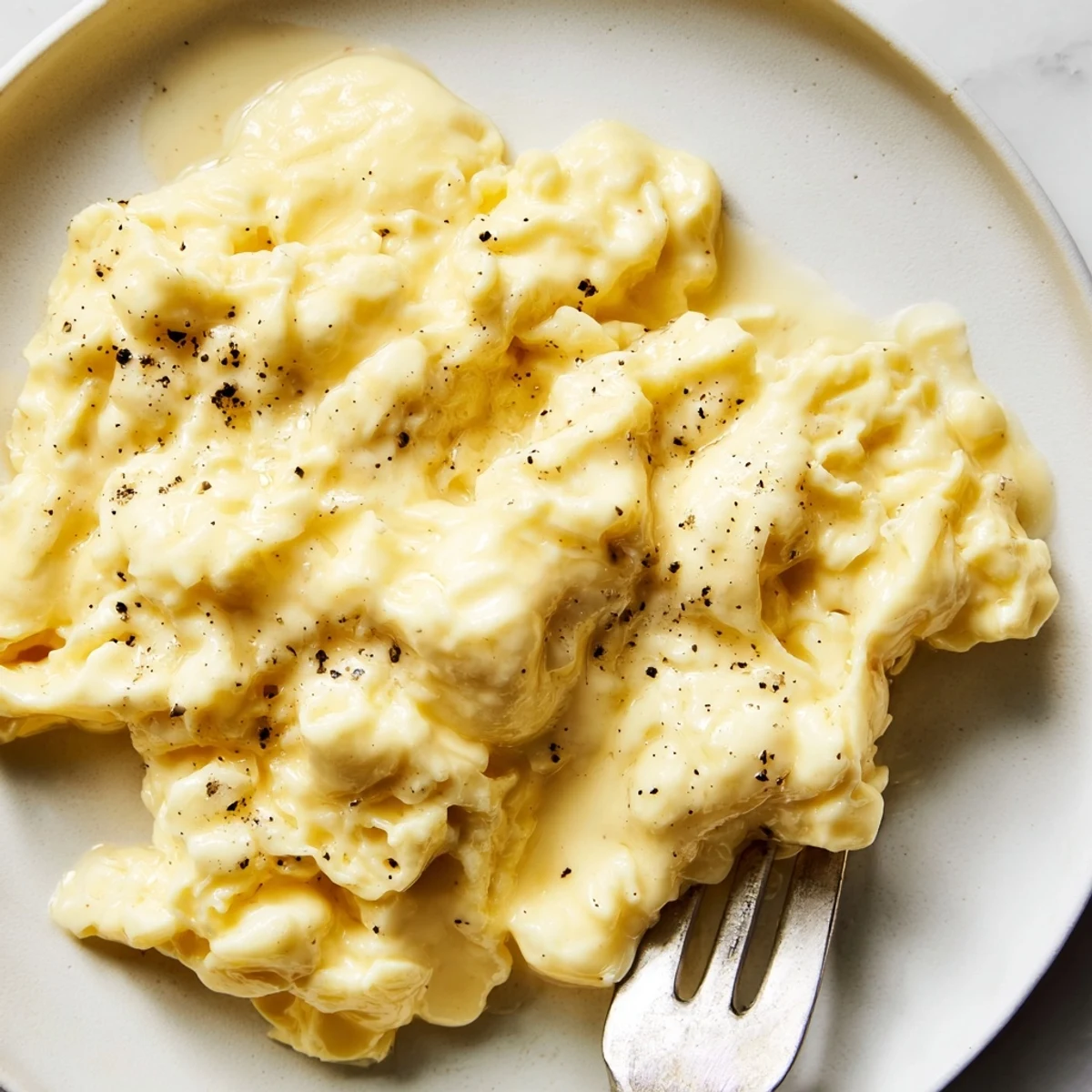
- Continue cooking, stirring occasionally, until just set but still creamy and slightly moist, then immediately remove from heat
 Save
Save These eggs became my late-night comfort during a particularly rough breakup, something small I could control when everything else felt uncertain. Now they remind me that simple things done well can be enough.
Making Them Your Own
I love adding chopped fresh chives or a bit of grated sharp cheddar right at the end—the residual heat melts the cheese perfectly. Sometimes I will sauté some diced bell peppers or spinach before adding the eggs for a more substantial meal.
What to Serve With Them
Buttered toast is classic, but I also love these with roasted sweet potatoes or avocado slices. My husband insists they are best alongside crispy bacon, though the purist in me sometimes wants to keep it simple.
Common Questions
People ask me all the time why their scrambled eggs turn out rubbery, and it is almost always because the heat is too high or they cook too long. The pan should be just hot enough to gently cook the eggs without browning them.
- Use a nonstick pan for the easiest cleanup
- Whisk thoroughly for the fluffiest texture
- Season before cooking for better flavor distribution
 Save
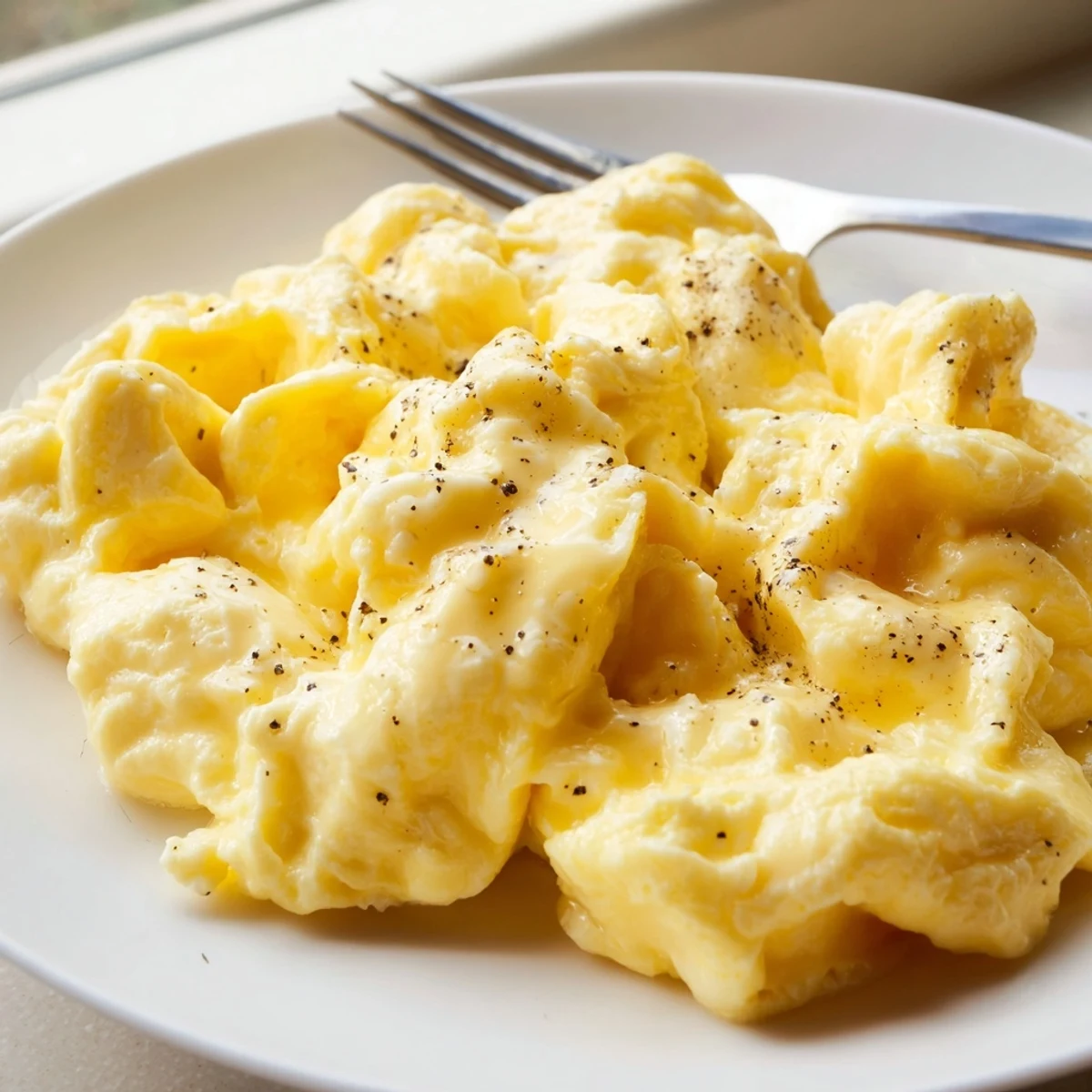
Save Perfect scrambled eggs are about paying attention to small details and trusting your instincts more than the timer.
Common Questions
- → What makes scrambled eggs creamy?
-
The combination of dairy (milk or cream) and gentle cooking over medium-low heat creates creamy curds. Whisking until slightly frothy incorporates air, while removing from heat while still moist prevents overcooking and dryness.
- → Should I use milk or cream?
-
Cream produces richer, more indulgent results while milk offers a lighter option. Both work beautifully—choose based on your preference and dietary goals. For the creamiest texture, opt for heavy cream.
- → Why do my scrambled eggs turn rubbery?
-
Rubbery eggs typically result from high heat or overcooking. Keep the temperature at medium-low and remove from heat while the eggs still appear slightly underdone. Residual heat completes the cooking process while maintaining softness.
- → Can I prepare scrambled eggs ahead?
-
Scrambled eggs taste best when freshly prepared, as they lose texture upon reheating. However, you can whisk the eggs with milk and seasonings up to a day in advance, then cook just before serving for optimal results.
- → What additions work well?
-
Fresh herbs like chives, parsley, or dill add brightness. Grated cheese melts beautifully for extra richness. Sautéed vegetables such as spinach, mushrooms, or bell peppers introduce texture and nutrition.