
 Save
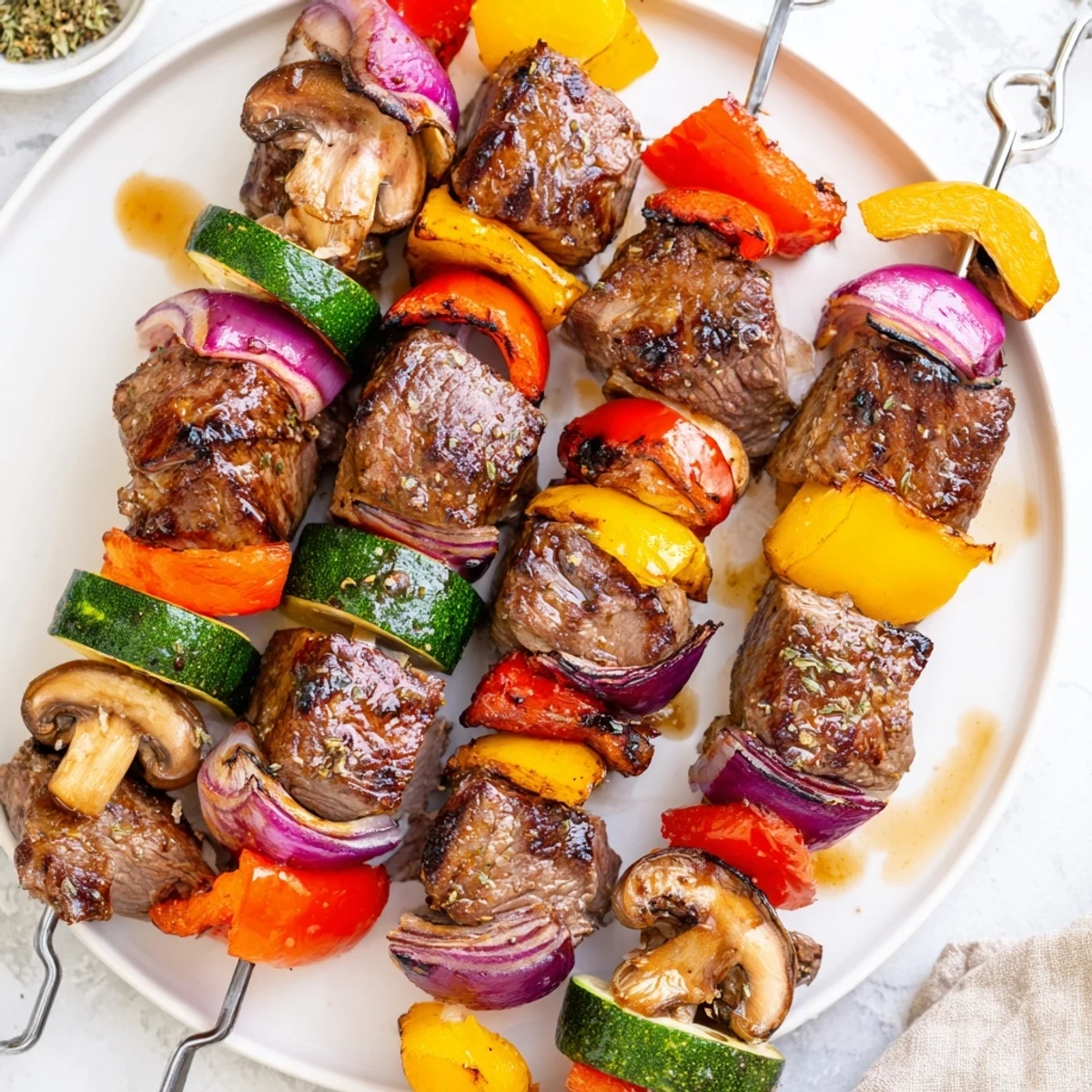
Save This method layers 1.5-inch sirloin cubes in an olive oil–soy–lemon marinade with garlic, honey and oregano, then threads them with red and yellow peppers, red onion, zucchini and mushrooms. After at least one hour of chill time, grill over medium-high heat for 10–12 minutes, turning every 2–3 minutes, until steak is browned and vegetables are tender-crisp. Rest briefly and serve with rice, pita or a green salad; for added smoke, use soaked wooden skewers.
The smell of charcoal and sizzling beef instantly pulls me back to a July afternoon when my neighbor Dave leaned over the fence and asked what was producing that incredible aroma. I had been experimenting with a soy and honey marinade for steak cubes, and those kabobs turned an ordinary Tuesday into an impromptu block party. Something about food on a stick makes everyone act like a kid again, crowding around the grill with paper plates in hand.
My sister once showed up unannounced with a bottle of wine right as I was threading vegetables onto skewers, and we ended up standing in the kitchen catching up while my hands smelled like garlic and lemon. She declared it the best thing I had ever cooked, though I suspect the wine and good company deserved some credit.
Ingredients
- Sirloin steak (1.5 lbs): Cut into generous 1.5 inch cubes so they stay juicy on the grill.
- Olive oil (1/4 cup): Carries the marinade flavors into every crevice of the meat.
- Soy sauce (3 tbsp): Use gluten free tamari if needed, it adds that deep savory backbone.
- Fresh lemon juice (2 tbsp): Brightens everything and helps tenderize the beef.
- Garlic (2 cloves, minced): Fresh is nonnegotiable here, the jarred stuff falls flat on the grill.
- Worcestershire sauce (1 tbsp): Note that this may contain fish, check labels for allergies.
- Honey (1 tbsp): This is the secret weapon for that beautiful browning.
- Dried oregano (1 tsp): A humble herb that ties the whole marinade together.
- Black pepper and kosher salt (1/2 tsp each): Season generously, the grill will mellow them slightly.
- Red and yellow bell peppers (1 each): The color pair makes the skewers look like a celebration.
- Red onion (1 large): Cut into wedges so the layers hold together on the stick.
- Zucchini (1): Half inch rounds grill beautifully and soak up the marinade.
- Cremini mushrooms (8 oz): Trim the stems flush so they sit flat against the meat.
Instructions
- Build the Marinade:
- Whisk olive oil, soy sauce, lemon juice, garlic, Worcestershire, honey, oregano, pepper, and salt in a large bowl until the honey dissolves completely. Give it a taste and imagine how happy your grill is about to be.
- Coat the Beef:
- Toss the steak cubes in the marinade and use your hands to make sure every piece is glossy and coated. Cover and tuck it into the fridge for at least one hour, though four hours turns it into something truly special.
- Fire Up the Grill:
- Preheat to medium high, around 400 degrees, and let the grates get good and hot. You want that satisfying sizzle the moment the skewers touch metal.
- Thread the Skewers:
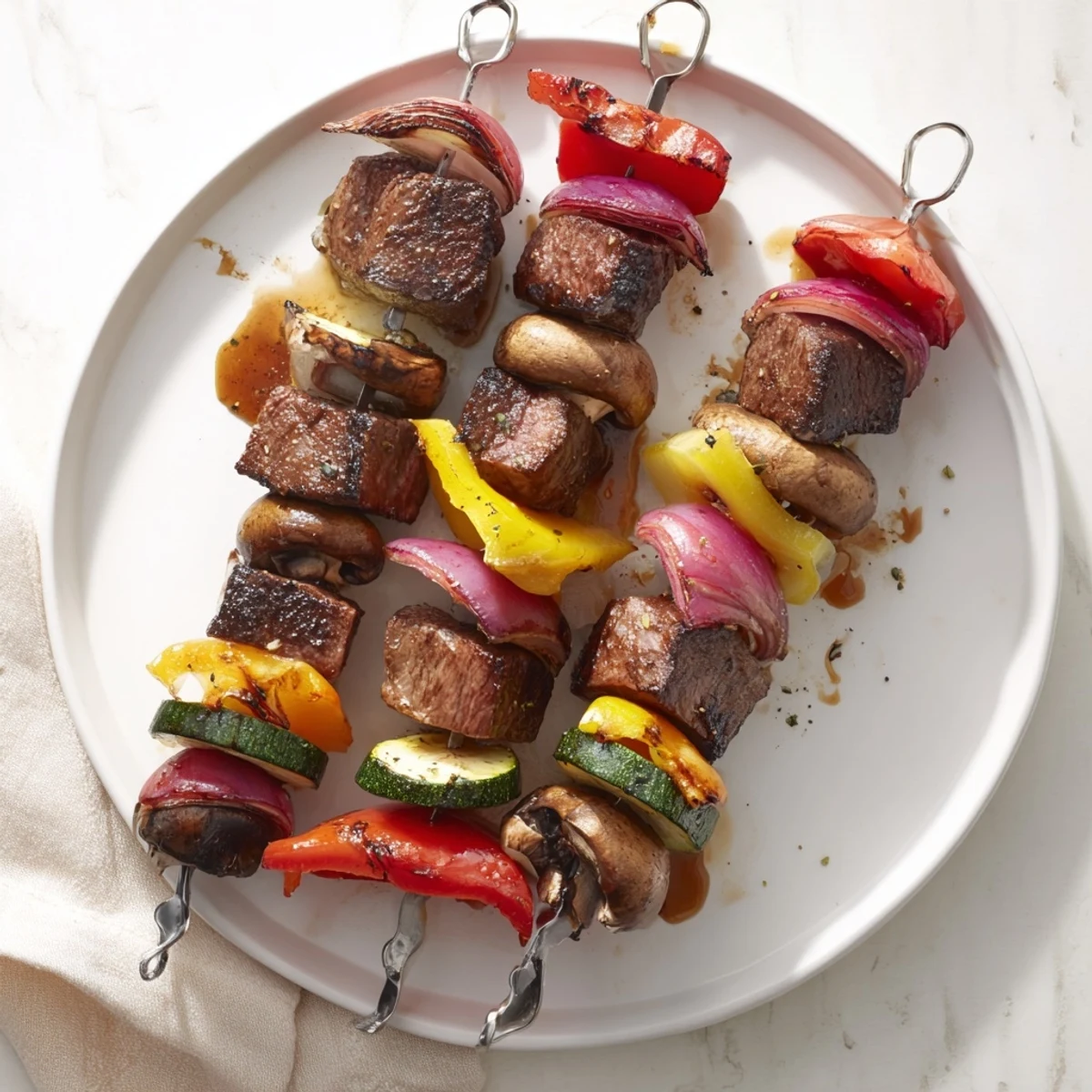
- Alternate beef and vegetables in a pattern that pleases your eye, packing them snugly but not crushed together. Leave a small gap at each end so nothing slides off when you flip them.
- Grill to Glory:
- Cook for 10 to 12 minutes, rotating every couple of minutes so each side gets those charred grill marks. The vegetables should be tender crisp and the steak browned on the outside but still pink within.
- Rest and Serve:
- Pull the kabobs off and let them sit for 2 to 3 minutes before anyone dives in. This tiny pause lets the juices redistribute so they do not end up on your plate.
 Save
Save There was a evening last summer when I handed a plate of these kabobs to my father in law, a man who normally eats steak plain with salt, and he went quiet for a full minute before asking for seconds. That silence told me more than any compliment could.
What to Serve Alongside
Fluffy basmati rice or warm pita bread are my go to companions because they soak up any marinade that drips off the skewers. A simple arugula salad with lemon vinaigrette cuts through the richness and keeps the meal from feeling heavy.
Making It Your Own
Cherry tomatoes and chunks of fresh pineapple are surprisingly brilliant additions that I discovered during a panicked raid of my fruit bowl when I ran short on bell peppers. The pineapple caramelizes into something almost candylike and pairs perfectly with the savory beef.
Tools That Make It Easier
Flat metal skewers are worth the investment because round ones let the food spin when you try to flip them. A good pair of long tongs keeps your knuckles safe from the heat.
- Soak bamboo skewers for at least half an hour to prevent burning.
- A grill basket works if you prefer to skip the skewers entirely.
- Always oil your grill grates right before adding the kabobs to prevent sticking.
 Save
Save These kabobs have a way of turning any random weeknight into something worth remembering. Fire up the grill and let the smoke do the storytelling.
Common Questions
- → How long should the beef marinate?
-
Marinate at least 1 hour to let flavors penetrate; up to 4 hours is ideal. Avoid much longer with lemon in the mix, as acid can begin to tighten the meat.
- → How can I keep the steak cubes tender while grilling?
-
Cut uniform 1.5-inch cubes for even cooking, use medium-high heat, and turn kabobs every 2–3 minutes. Remove when nicely browned and slightly pink inside; let rest 2–3 minutes before serving.
- → Are wooden skewers okay to use?
-
Yes—soak wooden skewers for 30 minutes before grilling to prevent burning. Metal skewers are reusable and transfer heat for faster cooking near the center of the meat.
- → Can this be adapted for a gluten-free diet?
-
Yes. Use gluten-free soy sauce or tamari and verify the Worcestershire sauce label. The rest of the ingredients are naturally gluten-free.
- → What vegetables work best on the skewers?
-
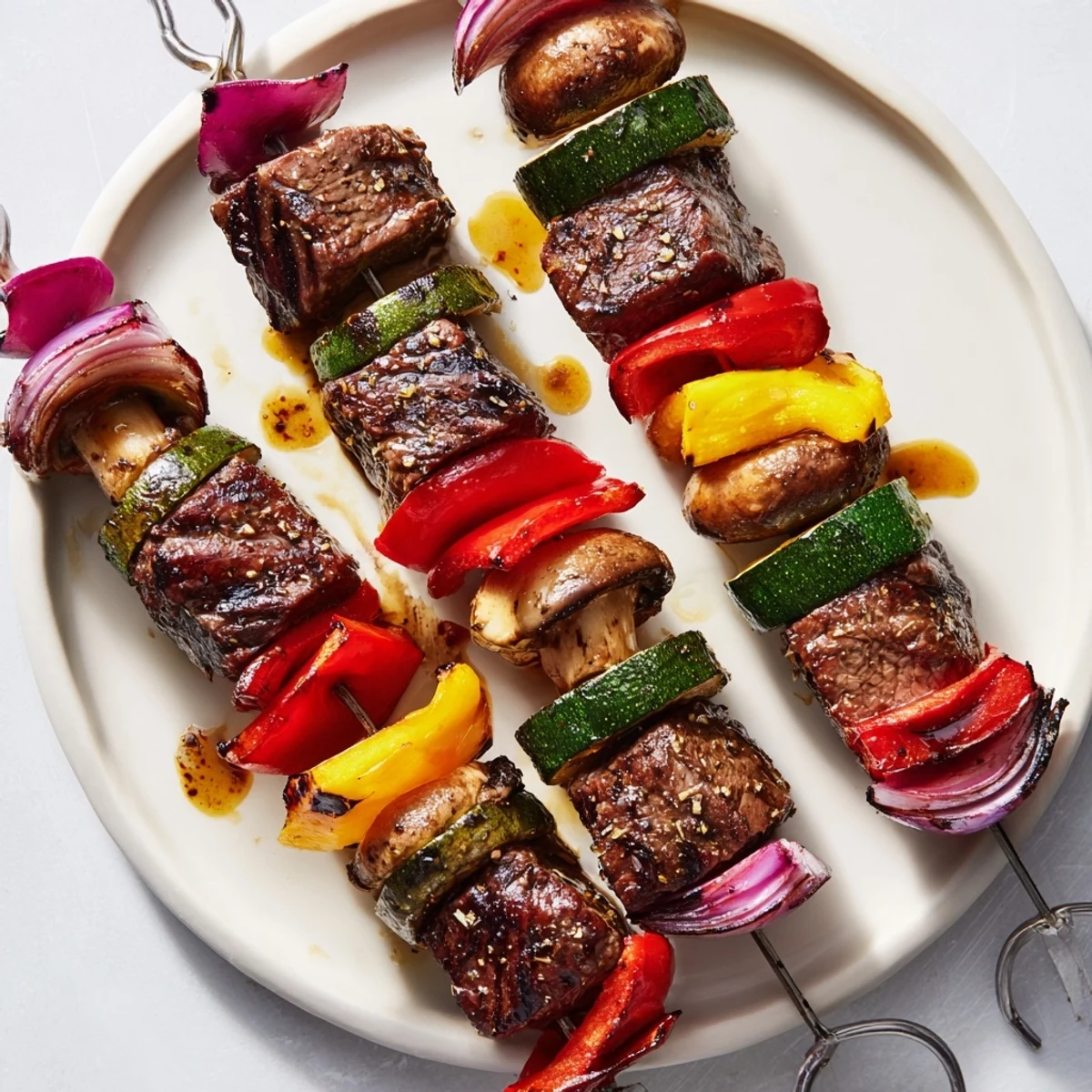
Bell peppers, red onion, zucchini and cremini mushrooms hold up well and cook at a similar rate when cut to 1.5-inch pieces. Cherry tomatoes and pineapple can be added for a sweet burst—watch for quicker softening.
- → How do I check for doneness without overcooking?
-
Use a quick-read thermometer: 130–135°F for medium-rare, 140–145°F for medium. Visual cues help too: a good sear on the outside and tender-crisp vegetables indicate readiness.