
 Save
Save Transform fresh butternut squash into an incredibly silky, warming soup by roasting the vegetables first to develop deep, caramelized flavors. The process brings out natural sweetness while spices like cumin and cinnamon add subtle warmth. After roasting, simply blend everything with vegetable broth until smooth and luxurious. The result is a nourishing bowl that feels both elegant and comforting.
The first cold snap of autumn hit our farmhouse last November, and I found myself craving something that felt like a warm hug in a bowl. My grandmother used to make squash soup on the woodstove, but her version was always a bit too sweet for my taste. I started experimenting with roasting the vegetables first after reading about how caramelization deepens flavor, and honestly, that one change transformed everything from a simple side dish into the kind of soup that makes people ask for seconds before they've even finished their first bowl.
Last winter I made a double batch for my sister's baby shower, and I swear I've never seen a soup disappear so quickly. The hostess kept asking what the secret ingredient was, looking genuinely confused when I told her it was just good squash and patience. One guest even admitted she normally hates vegetable soup but went back for thirds, which pretty much made my entire year.
Ingredients
- 1 large butternut squash (about 2 lbs), peeled and cubed: Look for one that feels heavy for its size with a matte finish, not glossy
- 1 large yellow onion, chopped: Sweet onions work beautifully here but yellow onions develop the best flavor when roasted
- 2 carrots, peeled and sliced: These add subtle sweetness and depth that balances the earthy squash
- 3 garlic cloves, peeled: Leave them whole so they roast slowly and become mellow and sweet
- 2 tbsp olive oil: This helps the vegetables caramelize properly so dont skimp here
- 4 cups vegetable broth: Use a good quality broth you enjoy drinking on its own
- 1/2 cup coconut milk or heavy cream: This is optional but creates that restaurant quality silky texture
- 1/2 tsp ground cumin: Adds an earthy warmth that makes the soup taste more complex
- 1/4 tsp ground cinnamon: Just a hint brings out the squashs natural sweetness
- Salt and black pepper: Season generously since roasting mellows saltiness
- Fresh thyme leaves, toasted pumpkin seeds, extra cream: These garnishes make each bowl feel special
Instructions
- Roast the vegetables until theyre golden and fragrant:
- Preheat your oven to 400°F and toss the cubed squash, onion, carrots, and whole garlic cloves with olive oil, cumin, cinnamon, salt, and pepper until everything is well coated. Spread the vegetables in a single layer on a large baking sheet and roast for 30 to 35 minutes, stirring halfway through, until the squash is tender and those gorgeous caramelized edges start to appear.
- Simmer the roasted vegetables with broth:
- Transfer all those beautifully roasted vegetables into a large pot and pour in the vegetable broth. Bring everything to a gentle boil over medium heat, then reduce the temperature and let it simmer for about 10 minutes so the flavors can meld together properly.
- Blend until perfectly smooth and creamy:
- Use an immersion blender right in the pot to puree the soup until it reaches that velvety consistency we're after, or work in batches with a regular blender if that's what you have. Stir in the coconut milk or cream if you're using it, then taste and adjust the seasoning with more salt and pepper as needed.
- Serve with your favorite garnishes:
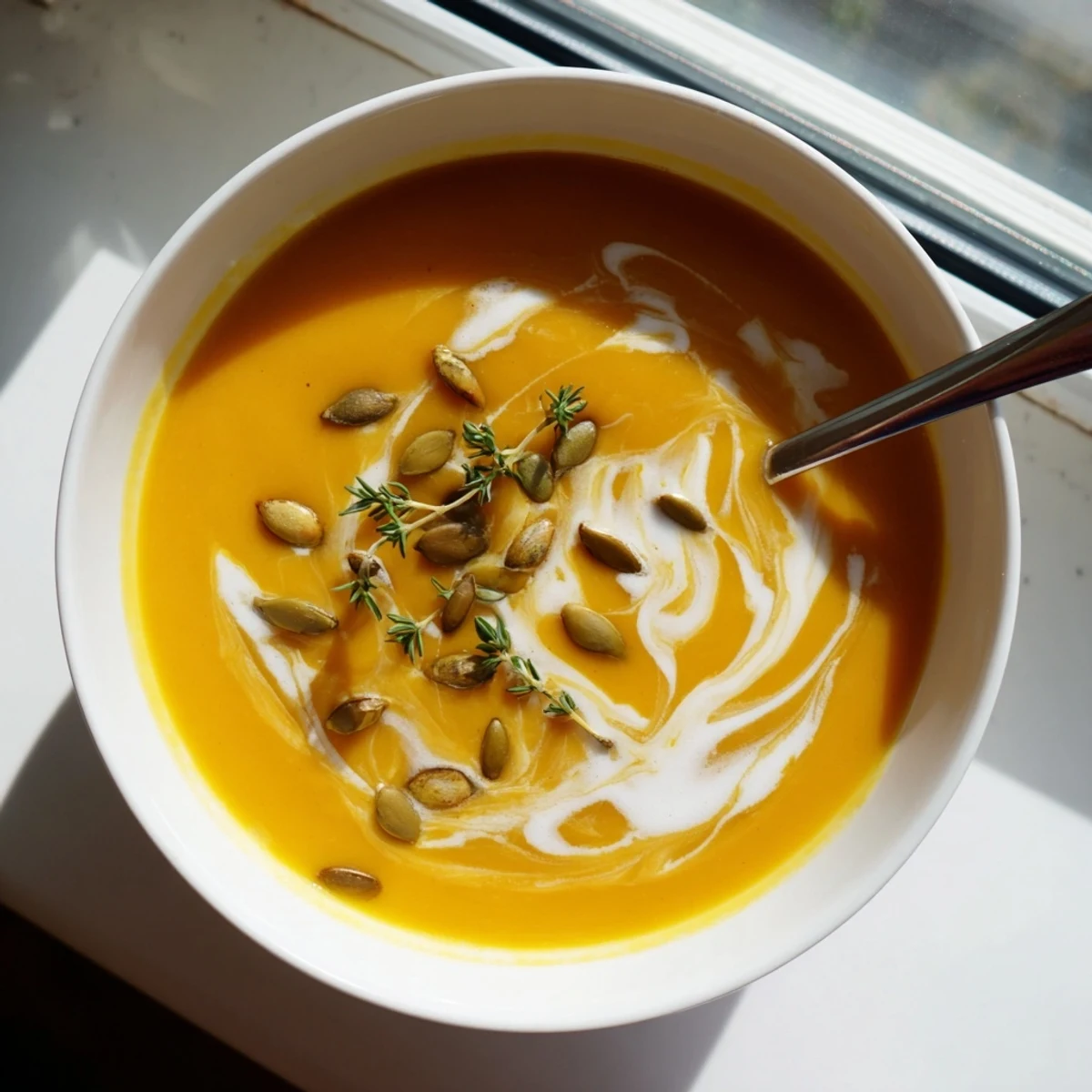
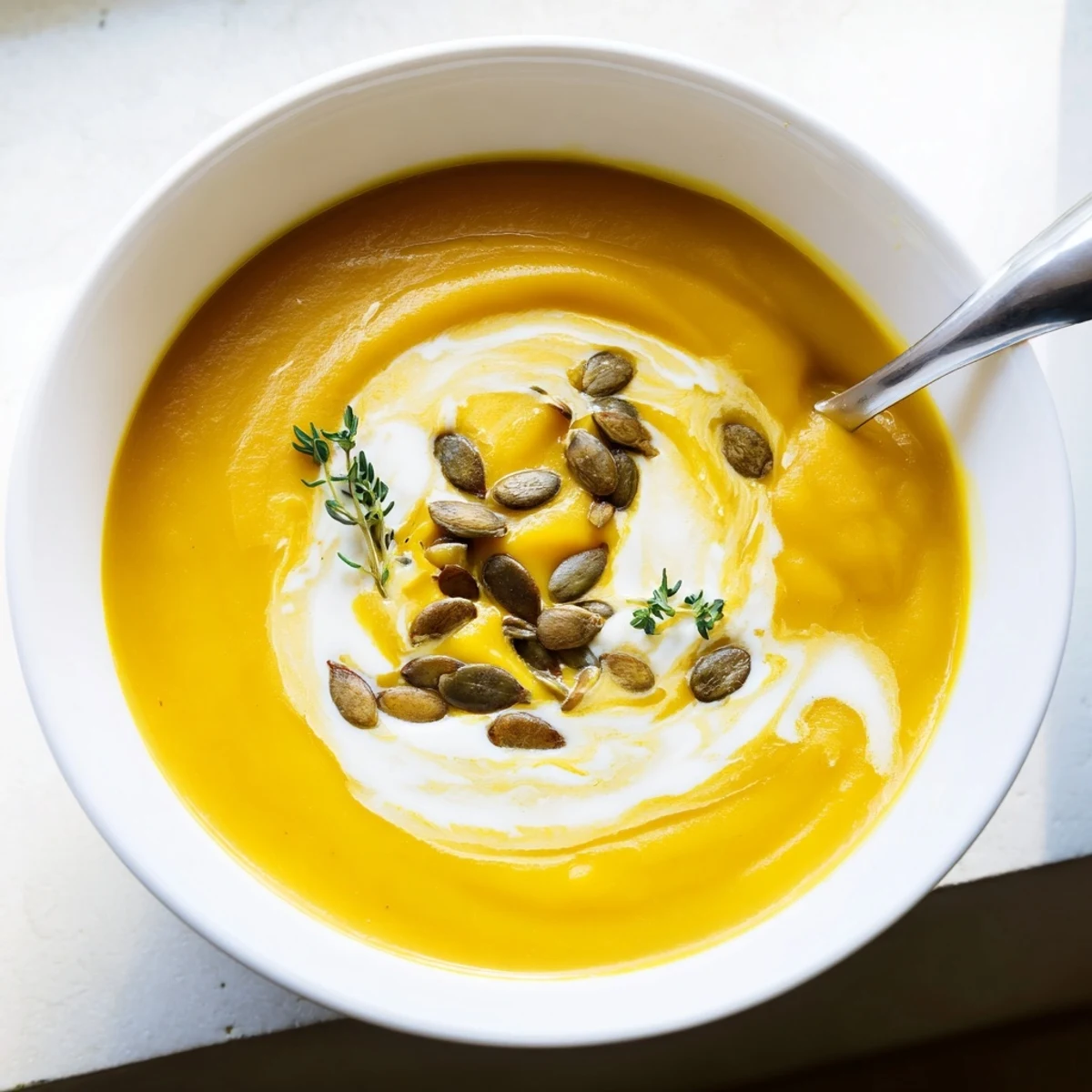
- Ladle the hot soup into bowls and finish with fresh thyme leaves, a sprinkle of toasted pumpkin seeds for crunch, and an extra swirl of cream or coconut milk on top if you want to make it look extra pretty.
 Save
Save This soup has become my go to for bringing to friends who need a little comfort. I drop it off in mason jars still warm, and something about that first spoonful feels like being wrapped in a blanket. Food really does speak its own language sometimes.
Making It Your Own
The beauty of this recipe lies in how easily it adapts to what you have on hand or what flavors you're craving. Sometimes I'll toss in a diced apple with the vegetables for extra sweetness, or add a pinch of cayenne if I want something with a little more warmth. The roasting technique stays the same, but the personality of the soup shifts with whatever you decide to add.
The Art of Roasting Vegetables for Soup
I used to skip the roasting step and just simmer everything together, but the difference is honestly night and day. When you take that extra time to roast the vegetables first, you're developing all these deep, complex flavors that simply cannot happen in a pot of boiling water. The squash becomes sweeter, the onions turn almost candy like, and even the garlic mellows into something completely different from its raw state.
Make Ahead and Storage Tips
This soup might actually be better the next day once the flavors have had more time to get acquainted. I often make a big batch on Sunday and portion it into containers for easy lunches throughout the week, and it has saved me more times than I can count on those hectic days when cooking dinner feels like climbing a mountain.
- The soup keeps perfectly in the refrigerator for up to 5 days
- Freeze individual portions in freezer safe bags or containers for up to 3 months
- When reheating frozen soup, let it thaw overnight in the fridge first for the best texture
 Save
Save There's something so satisfying about making a soup that tastes this good with such humble ingredients. I hope it finds its way into your regular rotation and brings as much warmth to your kitchen as it has to mine.
Common Questions
- → Can I make this soup ahead of time?
-
Absolutely. This soup actually tastes better the next day as flavors have time to meld. Store in an airtight container in the refrigerator for up to 4 days. Reheat gently on the stove, adding a splash of broth if needed to adjust consistency.
- → How do I know when the squash is properly roasted?
-
The squash cubes should be tender when pierced with a fork and have golden-brown caramelized edges. This usually takes 30-35 minutes at 400°F. Stir halfway through roasting to ensure even cooking and browning on all sides.
- → Can I freeze this soup?
-
Yes, this freezes beautifully. Let the soup cool completely before transferring to freezer-safe containers, leaving about an inch of space at the top for expansion. Freeze for up to 3 months. Thaw overnight in the refrigerator before reheating.
- → What can I use instead of coconut milk?
-
Heavy cream, half-and-half, or even plain Greek yogurt thinned with a bit of broth work well. For a dairy-free version, try cashew cream or simply omit it—the soup is still deliciously creamy from the blended squash.
- → How can I make this soup more filling?
-
Serve with crusty bread, add cooked white beans during blending for protein, or top with toasted pumpkin seeds and a dollop of Greek yogurt. A side salad with toasted nuts also makes it a complete meal.
- → What other vegetables work well in this soup?
-
Sweet potatoes, parsnips, or acorn squash can replace or complement the butternut squash. A diced apple adds lovely sweetness and depth. Leeks instead of onions provide a milder, more delicate flavor.