
 Save
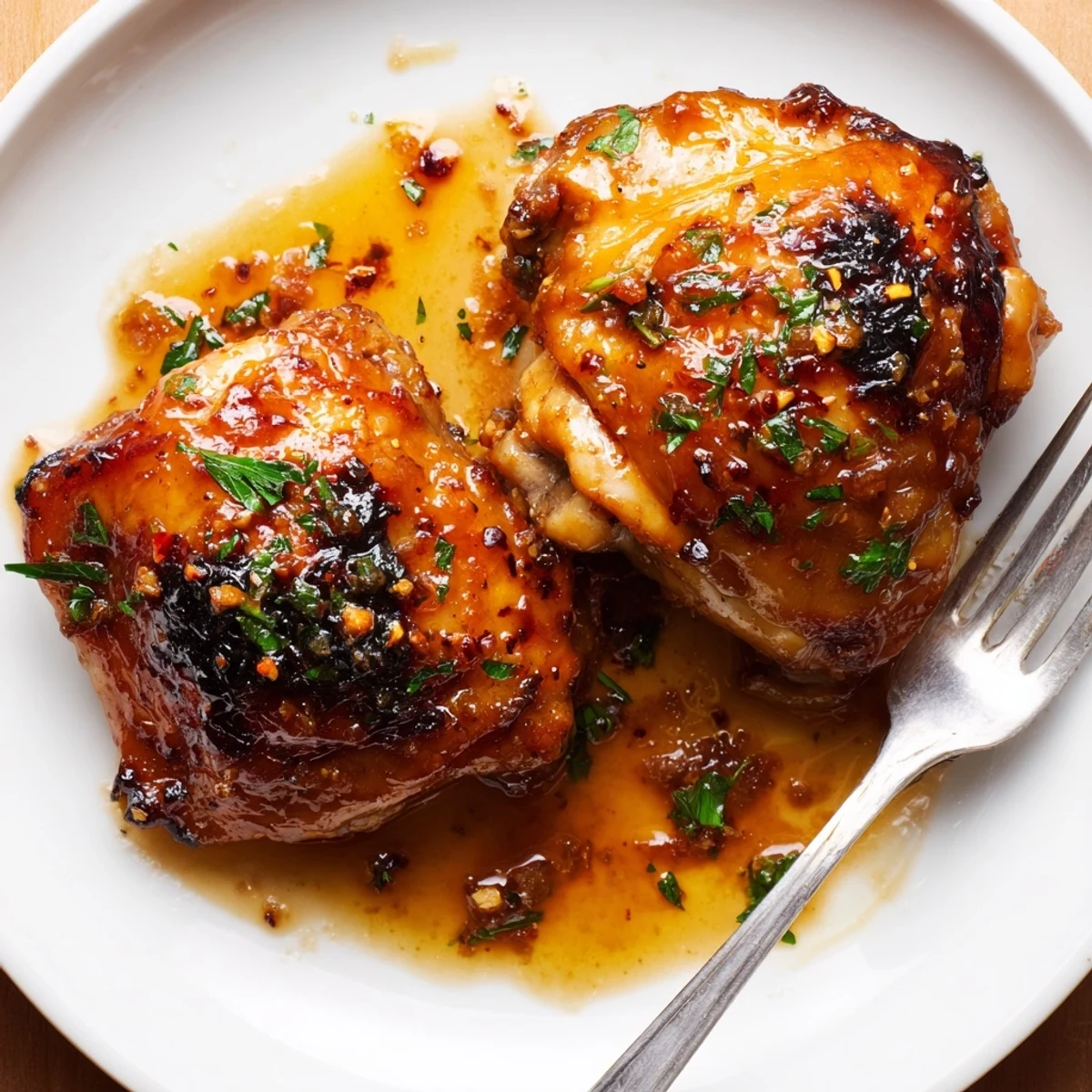
Save Bone-in, skin-on chicken thighs are patted dry, seasoned, then coated in a maple-Dijon glaze with soy, garlic, apple cider vinegar, and smoked paprika. Roast at 400°F until the internal temperature reaches 165°F, basting every 10–15 minutes, then broil 2–3 minutes for crisp skin. Marinate up to 4 hours for deeper flavor. Use gluten-free soy sauce if needed; let rest 5 minutes before serving with roasted vegetables or mashed potatoes.
The first time I made maple glazed chicken thighs, the kitchen filled with a rich sweetness, and I found myself hovering near the oven just to breathe it all in. I hadn’t planned for anything too special that night, but the maple syrup was a last-minute impulse buy that turned out to be the star. There’s something unexpectedly joyful in whisking up a glossy glaze while chatting about the day, fingers sticky but spirits high. The sizzle when the chicken hits the hot dish always makes me smile—there’s anticipation in the air, like you’re on the verge of a small, delicious celebration.
Once, I made this chicken for friends on a rainy Thursday—we ended up eating in the living room because the storm knocked our power out for a few minutes, but the chicken, warm and sticky, was still perfect by candlelight. The laughter and clatter of forks chasing every last drop of sauce made it a meal to remember. It’s a dish that doesn’t seem to mind its surroundings; it always brings people in.
Ingredients
- Chicken thighs: Using bone-in, skin-on thighs means juiciness and flavor; drying them well gives crispier skin.
- Pure maple syrup: The sweetness is subtle and complex—not pancake syrup, pure maple makes the difference.
- Dijon mustard: Adds zip that cuts through the sweetness; don’t swap for yellow mustard or you’ll lose that sharpness.
- Soy sauce (gluten-free if needed): Its deep savoriness balances the glaze; a splash elevates every bite.
- Garlic: Mince it fresh for that mellow, aromatic backdrop; jarred garlic just won’t give the same warmth.
- Apple cider vinegar: A tangy counterpoint that keeps things light; I learned more vinegar is not always better—measure!
- Smoked paprika: Just a bit for gentle heat and smoky intrigue; good paprika makes the sauce pop.
- Black pepper: Use freshly cracked for fragrant little bursts.
- Salt: Enhances everything—season both chicken and glaze sparingly, as soy sauce adds salt too.
- Fresh parsley: Optional, but I love the green color and bright taste sprinkled just before serving.
Instructions
- Preheat and prep:
- Set your oven to 400°F (200°C), feeling the kitchen start to warm invitingly. Pat the chicken thighs dry and season them gently; you’ll hear the paper towel stick and release as you press them.
- Whisk the glaze:
- Combine maple syrup, Dijon, soy sauce, garlic, vinegar, smoked paprika, black pepper, and salt in a bowl—the smells swirl up together, a little tangy, a little smokey.
- Arrange the chicken:
- Place thighs snugly in your baking dish, skin side up. Pour the glaze over and turn each piece, slick and glossy in your hands.
- Bake and baste:
- Slide the dish into the oven and set a timer; every 10-15 minutes, scoop the sticky juices over the chicken—you’ll notice the skin turning gorgeously golden.
- Crisp it up:
- If you want more crunch, broil for an extra two minutes at the end, watching closely so it doesn’t burn—you’ll hear it start to bubble and snap.
- Rest and garnish:
- Let the chicken sit for five minutes out of the oven; sprinkle with chopped parsley just before serving so the leaves look fresh and lively.
 Save
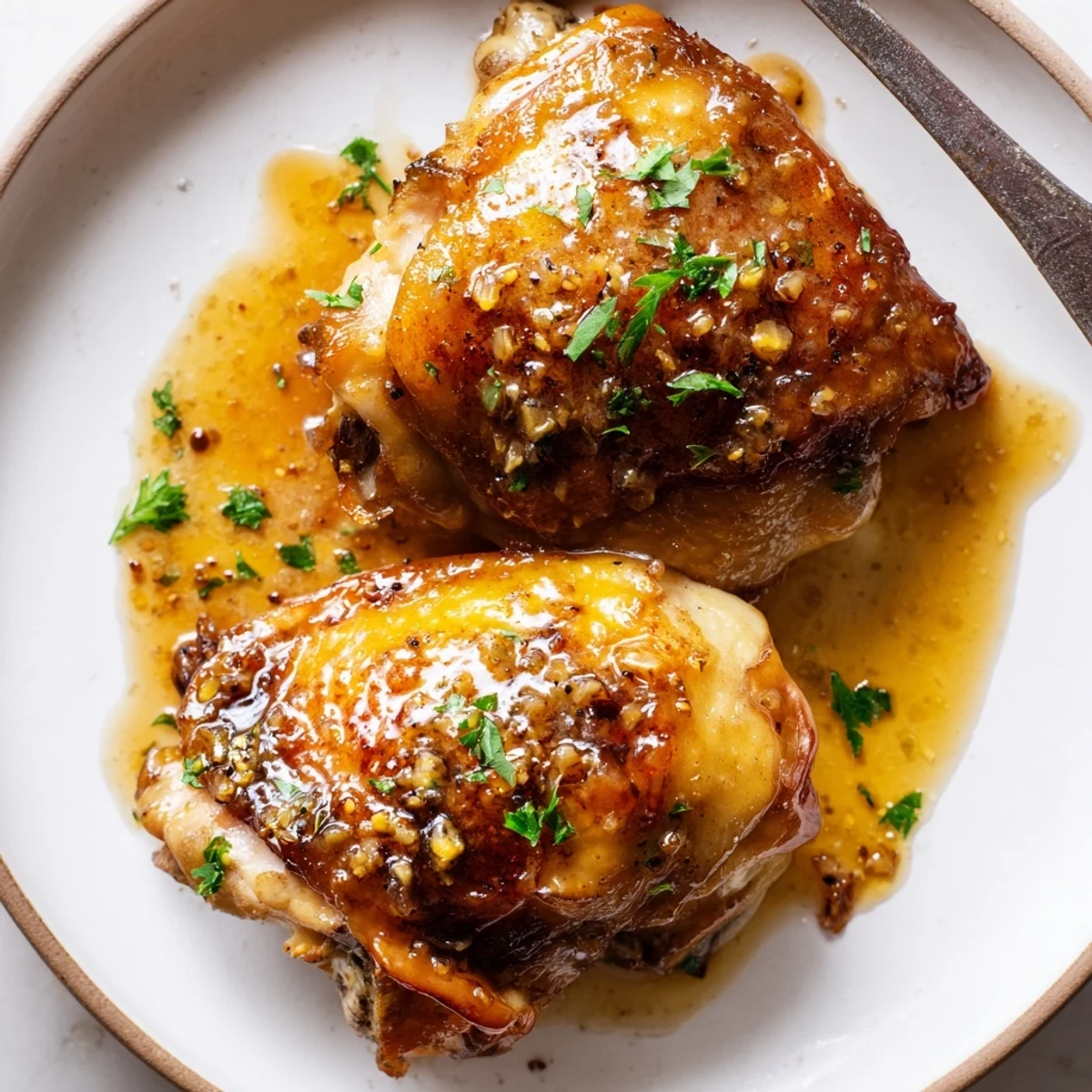
Save I’ll always remember setting this dish down and seeing the delight as everyone leaned in to catch that first whiff. At that moment, the world shrank to our table and the shared satisfaction of a meal that’s both simple and somehow just right.
What to Serve With Maple Glazed Chicken
I tend to pair it with roasted root vegetables or fluffy mashed potatoes, letting them soak up the glossy pan sauce. It’s equally good beside garlicky greens or a quick salad if you want something lighter. The chicken’s sweetness plays well with both earthy and sharp side dishes.
Making Ahead and Storing Leftovers
If you’re looking to make mealtime easier, this dish can be prepped ahead by marinating the chicken in the glaze—just pop it in the fridge for a few hours earlier in the day. Leftovers reheat beautifully, and I’ve tucked cold sliced chicken into wraps or tossed it with warm veggies for lunch. The flavors even seem to deepen overnight.
Troubleshooting and Helpful Hints
Don’t be tempted to use extra sauce—too much and the pan juices won’t caramelize properly, but become thin and watery instead. If your chicken refuses to brown, double-check your oven temp and make sure your baking dish isn’t too crowded. Taste and adjust at the end—sometimes a small squeeze of lemon over each serving dazzles.
- Check chicken temp with a thermometer for juicy, safe meat every time.
- Don’t skip resting; it keeps the meat tender and the juices where they belong.
- Garnish just before serving for the freshest look and flavor.
 Save
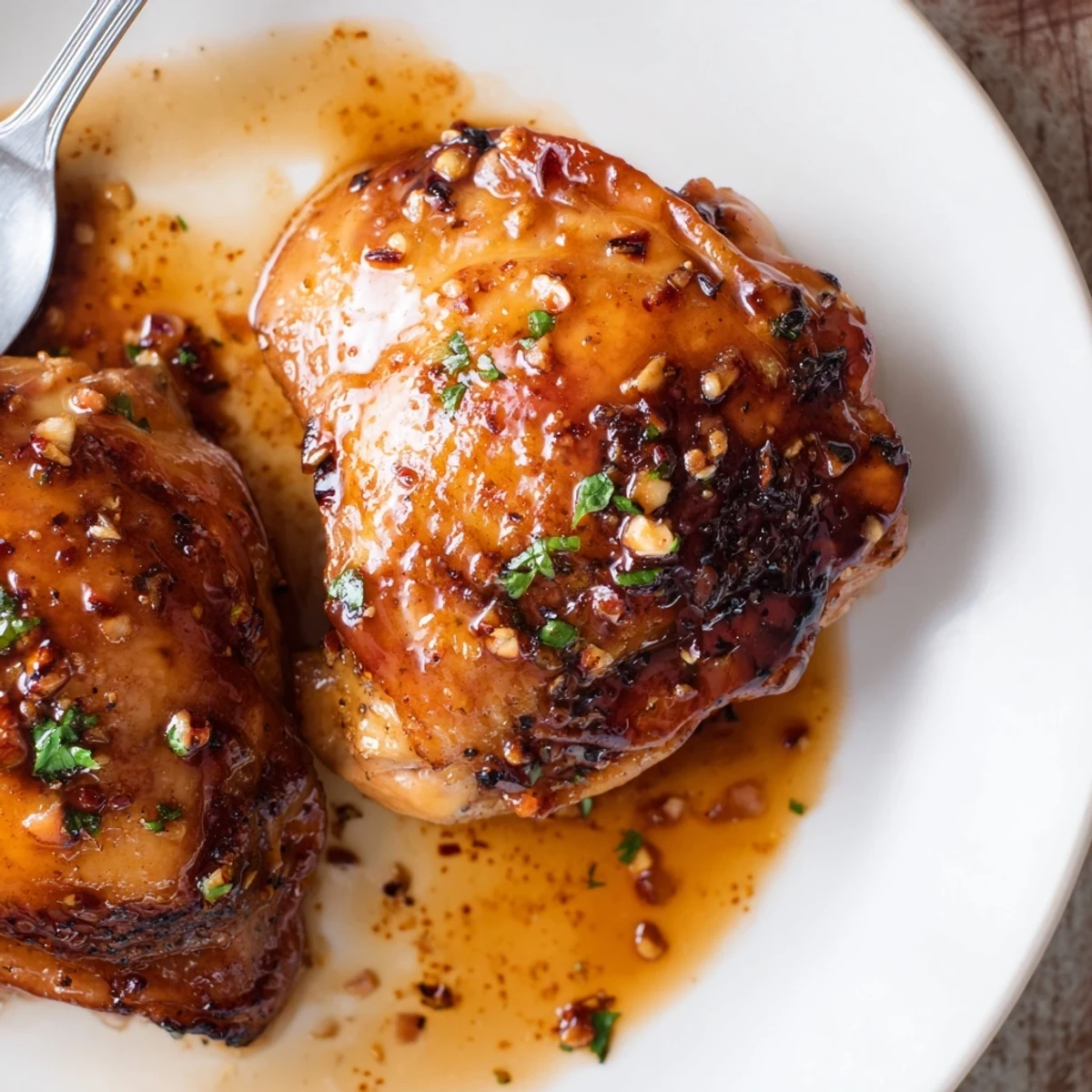
Save Whether it’s your first attempt or you make it often, this maple glazed chicken has a sneaky way of making ordinary evenings feel just a bit special. Enjoy every golden, sticky bite—you deserve a dinner that makes you smile.
Common Questions
- → How do I get extra-crispy skin?
-
Pat the skin very dry before seasoning and start with room-temperature thighs. Roast uncovered and finish under the broiler for 2–3 minutes to render fat and crisp the skin without drying the meat.
- → Can I use boneless thighs instead?
-
Yes. Boneless thighs will cook faster; reduce baking time and check for an internal temperature of 165°F. They may not stay as juicy as bone-in but will still absorb the maple-Dijon glaze well.
- → How long should I marinate the thighs?
-
Marinate up to 4 hours for deeper flavor absorption. Even a brief 20–30 minute rest in the glaze adds noticeable flavor, but avoid overly long marinating if salt concentration is high to prevent a mushy texture.
- → Any good substitutions for maple syrup?
-
Honey or agave are effective substitutes that preserve the sweet balance. Adjust quantities slightly to taste and watch browning, as different sweeteners caramelize at different rates.
- → How do I adapt this for a gluten-free diet?
-
Use certified gluten-free soy sauce or tamari and verify mustard labels. These swaps keep the glaze profile intact while removing gluten-containing ingredients.
- → What internal temperature indicates doneness?
-
Cook until the thickest part of the thigh reaches 165°F (74°C). Use a probe thermometer to check near the bone for the most reliable result, then allow a short rest to redistribute juices.