
 Save
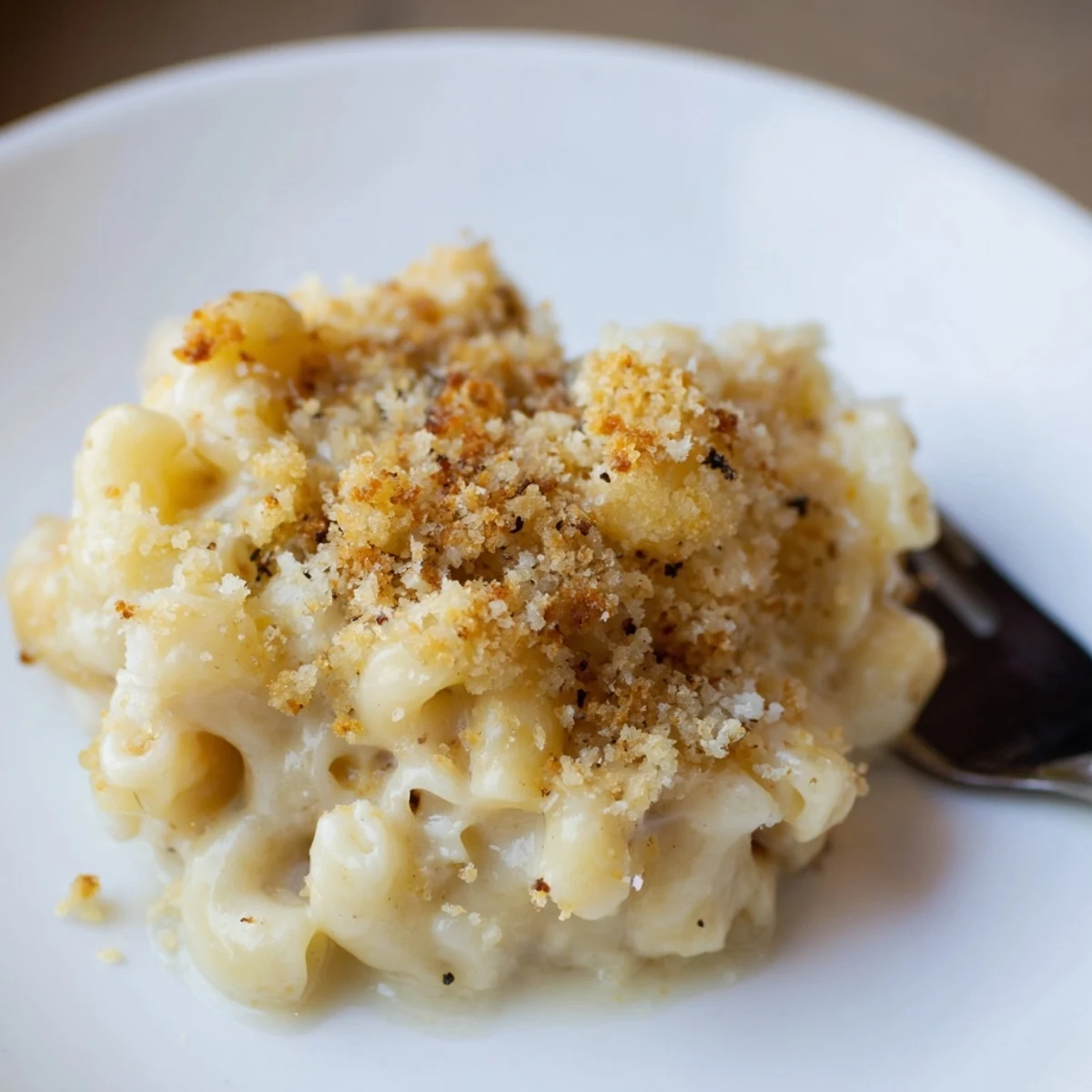
Save This creamy mac and cheese starts with al dente elbow pasta and a simple roux-based cheese sauce: melt butter, whisk in flour, add whole milk and simmer until thick. Stir in sharp and mild cheddar and a touch of Dijon for brightness. Combine with pasta, season, and serve as-is or top with buttery breadcrumbs and bake until golden. Mix-ins like bacon, sautéed onions, or Gruyère add depth. Total time about 45 minutes.
There is something about a pot of mac and cheese bubbling on the stove that makes the whole house feel like it is exhaling. The smell alone pulls people into the kitchen before you even call them for dinner. My sister used to stand at the counter waiting with a bowl before the cheese had finished melting. It is the kind of dish that never needs an occasion but somehow makes every one better.
One rainy Tuesday I tossed this together for a friend who insisted she did not like homemade mac and cheese. She went back for thirds and now texts me every few weeks asking for the recipe. That is the power of a good cheese sauce done right.
Ingredients
- Elbow macaroni (300 g): The classic shape holds onto sauce in those little curved tubes like nothing else can.
- Whole milk (2 cups): Whole milk is nonnegotiable here because the fat is what makes the sauce silky.
- Unsalted butter (2 tbsp): Gives the roux its nutty foundation and keeps you in control of the salt.
- All purpose flour (2 tbsp): Thickens the sauce so it clings to the pasta instead of pooling at the bottom.
- Sharp cheddar (1 cup grated): Brings the tangy punch that makes the dish taste like actual cheese.
- Mild cheddar (1 cup grated): Melts beautifully and rounds out the sharpness with a mellow creaminess.
- Dijon mustard (1/2 tsp): A tiny amount that amplifies the cheese flavor without tasting like mustard at all.
- Salt and black pepper: Season gradually and taste as you go because cheese varies in saltiness.
- Breadcrumbs (1/4 cup, optional): Gives the baked version that irresistible golden crunch on top.
- Parmesan (2 tbsp grated, optional): Adds a savory kick to the topping that plain breadcrumbs alone cannot achieve.
Instructions
- Get the oven ready:
- If you are going the baked route, preheat to 180 degrees C (350 degrees F) and grease your baking dish now so you do not forget later.
- Cook the pasta:
- Boil the macaroni in salted water until just al dente because it will cook a little more in the sauce.
- Build the roux:
- Melt the butter in a saucepan over medium heat, then whisk in the flour and let it cook for about a minute until it smells lightly toasted.
- Make it saucy:
- Pour the milk in slowly while whisking constantly so no lumps form, then let it simmer until it thickens enough to coat the back of a spoon.
- Add the cheese:
- Kill the heat and stir in both cheeses and the Dijon mustard, keeping the motion smooth and patient until every last bit melts into a glossy sauce.
- Bring it together:
- Fold the cooked macaroni into the sauce gently, making sure every noodle is coated evenly.
- Finish under the broiler (optional):
- Spread the mixture into your prepared dish, scatter the breadcrumb and parmesan topping over it, and bake until the edges are bubbling and the top is golden.
 Save
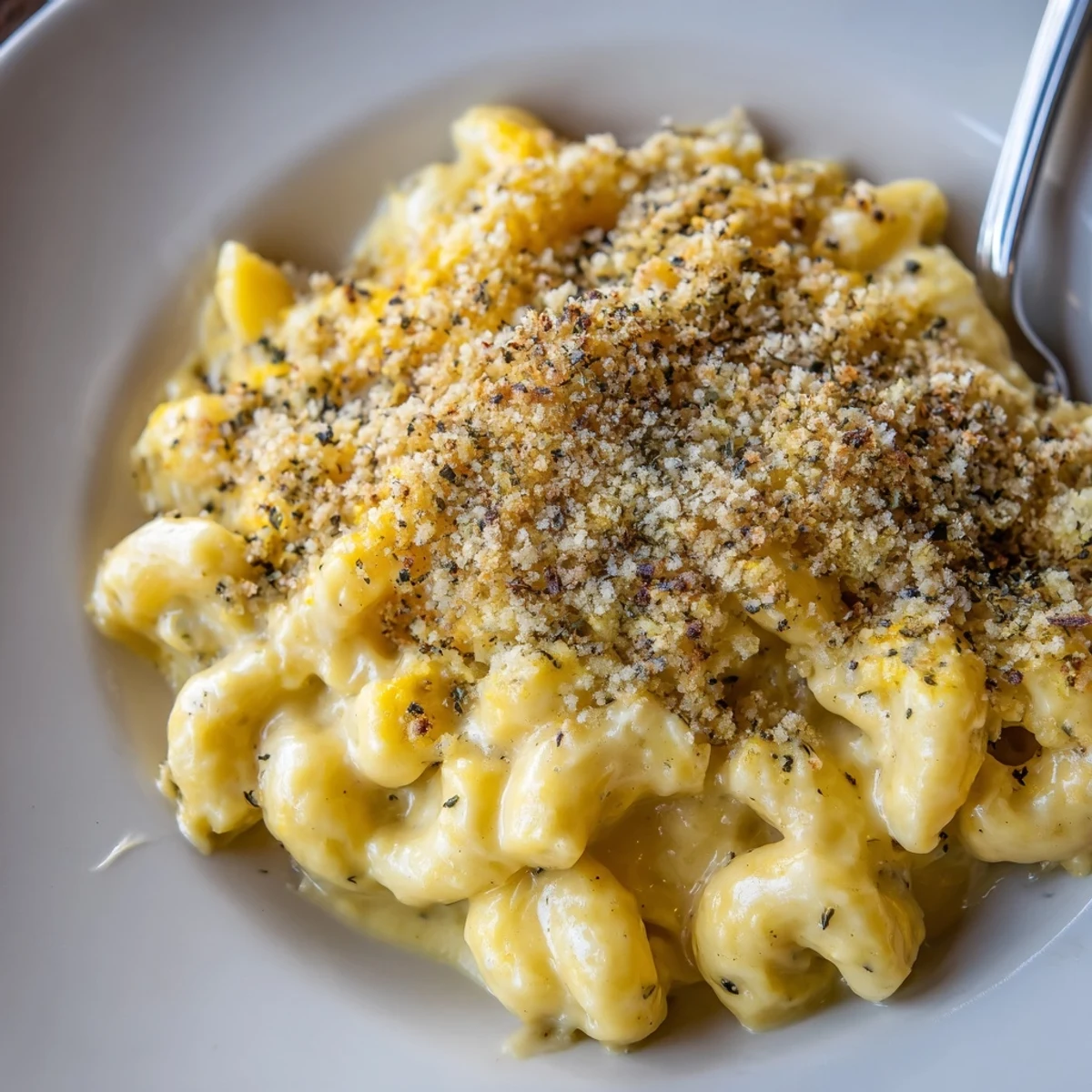
Save The best mac and cheese I ever made was the one I almost ruined by walking away from the roux. That burned edge taught me to stay at the stove and it made every batch after that much better.
Swaps and Twists That Actually Work
I have tried folding in crumbled bacon, caramelized onions, and even a few drops of hot sauce when I wanted something bolder. Gruyere is a stunning substitute for the mild cheddar if you want something more complex. For gluten free eaters, a one to one flour blend and gluten free pasta work beautifully here.
Tools That Make This Easier
A good heavy saucepan is really the only thing standing between you and a perfect sauce. A flat whisk reaches into the corners better than a balloon one. Keep a grater handy because grating cheese fresh in the moment always beats pulling a bag from the fridge.
Serving and Storing
This is best served right away while the sauce is still flowing and the top has that just baked crunch.
- Leftovers keep in the fridge for up to three days and reheat well with a splash of milk.
- Freeze individual portions in airtight containers for up to one month.
- Always taste for salt before serving because the cheese flavor shifts as it sits.
 Save
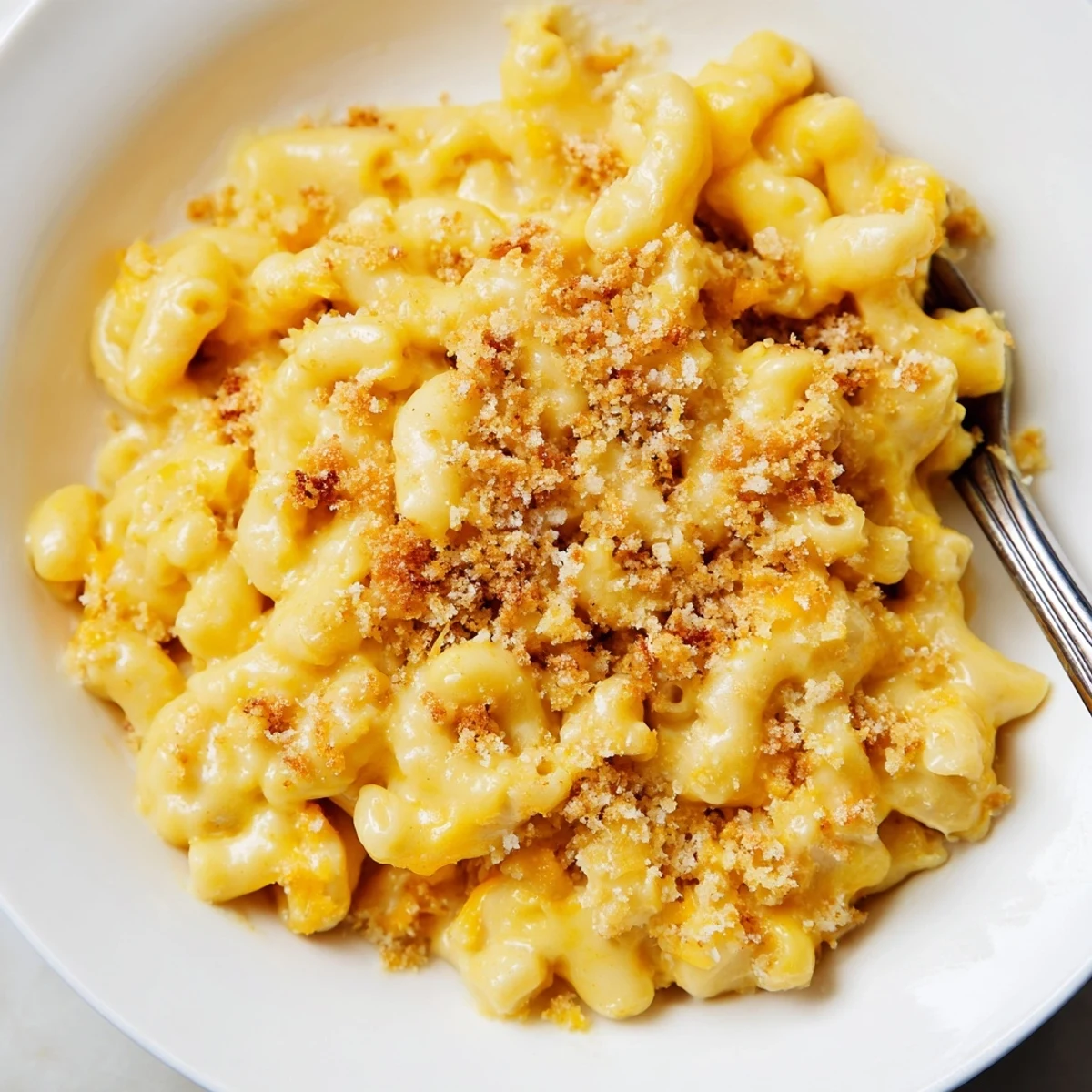
Save Some recipes are just dinner and then some recipes become the thing people remember about your kitchen. This mac and cheese is the one they will ask for every single time.
Common Questions
- → How do I prevent a grainy cheese sauce?
-
Keep the sauce over low heat, remove from direct heat before adding grated cheese, and stir until smoothly melted. Use finely grated cheese and add it gradually to avoid overheating and separation.
- → Which pasta shape works best?
-
Elbow macaroni is classic because it holds sauce well, but small shells, cavatappi, or penne also trap the cheese and give a satisfying bite.
- → Can I bake it to get a crispy topping?
-
Yes. Transfer the combined pasta and sauce to a greased dish, mix breadcrumbs with melted butter and parmesan, sprinkle on top, and bake at 180°C (350°F) for 15–20 minutes until golden and crisp.
- → What if the sauce is too thin?
-
Simmer it a few minutes to reduce and thicken, or whisk in a little extra grated cheese. For immediate thickening, stir in a small roux (butter mixed with flour) or a cornstarch slurry, then heat gently.
- → How should I reheat leftovers for best texture?
-
Reheat gently on the stovetop over low heat with a splash of milk, stirring until creamy. Alternatively, bake covered at 160–170°C (325–340°F) until heated through, then uncover to crisp the topping.
- → How can I accommodate gluten-free or dairy-free needs?
-
Use gluten-free pasta and a gluten-free flour or cornstarch for the roux. For dairy-free, choose a full-fat plant milk and a melting-style vegan cheese, though texture and flavor will vary from the dairy version.