
 Save
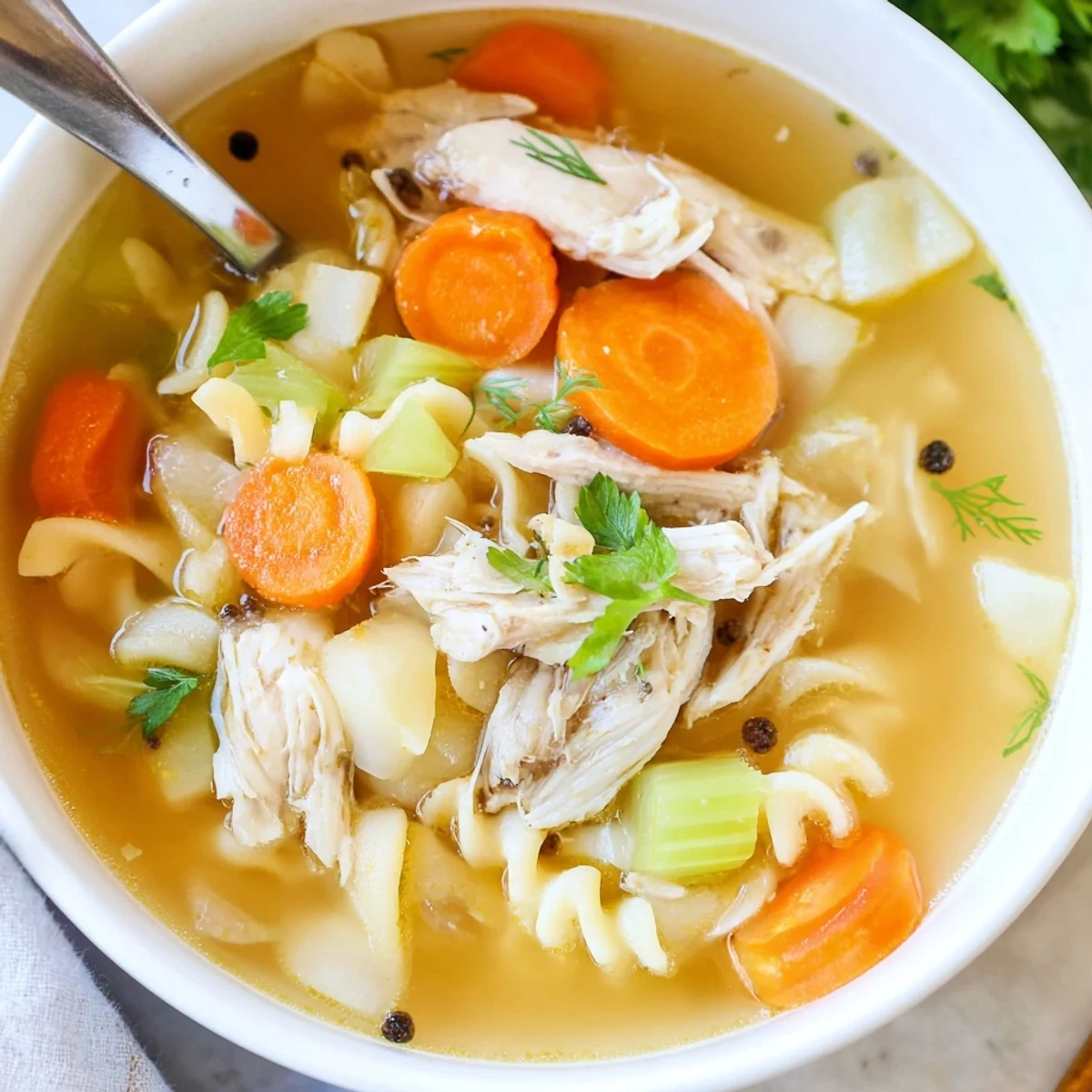
Save This stovetop preparation uses bone-in chicken, carrots, celery, onion and garlic simmered gently in cold water or low-sodium broth until the meat is tender and vegetables are soft. Skim foam, shred the chicken, then return it to the pot and add noodles or rice if desired. Season with thyme, parsley and salt; garnish with dill. Sautéing the vegetables first deepens the flavor and it improves after resting overnight.
The screen door slammed shut behind me as I trudged into my grandmothers kitchen, soaked through from a November downpour, and the first thing that hit me was the peppery steam rising from her battered stockpot. She never measured anything, just tossed and tasted, yet every pot of chicken soup she made tasted exactly the same: like getting your strength back. That pot, with its dented side and wobbly handle, is now mine, and I still use it every time somebody I love gets the sniffles.
One January my roommate had the flu so bad she could barely lift her head off the couch, and I made this soup at midnight in a tiny galley kitchen with two mismatched pots and a dull knife. She sat up after the first spoonful, looked at me like I had performed a miracle, and then asked for a second bowl before falling asleep on the couch cushion right there at the table. That is the quiet power of chicken soup.
Ingredients
- 1 whole chicken (about 1.2 kg), cut into pieces, or 800 g bone in, skin on chicken thighs or breasts: Do not skip the bones, because they are the entire reason your broth turns cloudy and rich instead of thin and forgettable.
- 3 medium carrots, sliced: Cut them on a slight diagonal so they look like little orange boats floating in the broth.
- 2 celery stalks, chopped: The inner stalks with the leaves are sweeter and softer, so save those if you have them.
- 1 large onion, diced: A yellow onion melts into the broth and gives it a sweetness you cannot get from anything else.
- 3 garlic cloves, minced: Smash them flat with the side of your knife before mincing and the flavor releases more fully.
- 2 bay leaves: These little leaves add a subtle herbal depth, but remember to fish them out before serving because biting into one is deeply unpleasant.
- 1 parsnip (optional), peeled and sliced: If you have never cooked with parsnip, this is the perfect excuse because it adds a gentle, earthy sweetness.
- 2 liters (8 cups) cold water or low sodium chicken broth: Starting with cold liquid draws more flavor from the bones than hot water ever could.
- 1 tsp whole black peppercorns: Whole peppercorns give gentle warmth without the harsh specks of cracked pepper floating in every bite.
- 1 small bunch fresh parsley: Toss the stems into the simmer and save the leaves for garnish, because those stems hold more flavor than you think.
- 1 tsp dried thyme or 3 sprigs fresh thyme: Rub the dried leaves between your palms before dropping them in to wake up the oils.
- 1 and 1/2 tsp salt, plus more to taste: Start modest because you can always add more at the end, but you can never take it away.
- 150 g (about 1 cup) egg noodles or rice (optional): If you add noodles, serve immediately or they will drink up every drop of broth overnight.
- Fresh dill, chopped, for garnish (optional): A scattering of dill on top makes the whole bowl taste suddenly bright and surprising.
Instructions
- Start the bath:
- Nestle your chicken pieces into a large pot and pour in the cold water or broth, then set it over medium heat and bring it to a gentle simmer, skimming off any foamy scum that floats up with a spoon or small ladle.
- Build the flavor base:
- Toss in the carrots, celery, onion, garlic, parsnip if you are using one, bay leaves, peppercorns, thyme, and salt, then let everything burble away uncovered for 45 to 60 minutes until the chicken is cooked through and the vegetables yield easily to a fork.
- Pull and shred:
- Carefully lift the chicken out of the pot with tongs and let it cool just long enough to handle, then strip away the skin and bones and tear or chop the meat into generous, comforting bites.
- Add the extras:
- If you want noodles or rice, drop them in now and simmer for another 8 to 10 minutes until tender, then slide the shredded chicken back into the pot to warm through.
- Taste and adjust:
- Pluck out the bay leaves and any herb stems, then dip a spoon in and taste for salt and pepper, adding a pinch more if the broth needs it.
- Serve with love:
- Ladle the steaming soup into wide bowls, scatter fresh parsley and dill over the top, and carry them to the table while the steam is still curling.
 Save
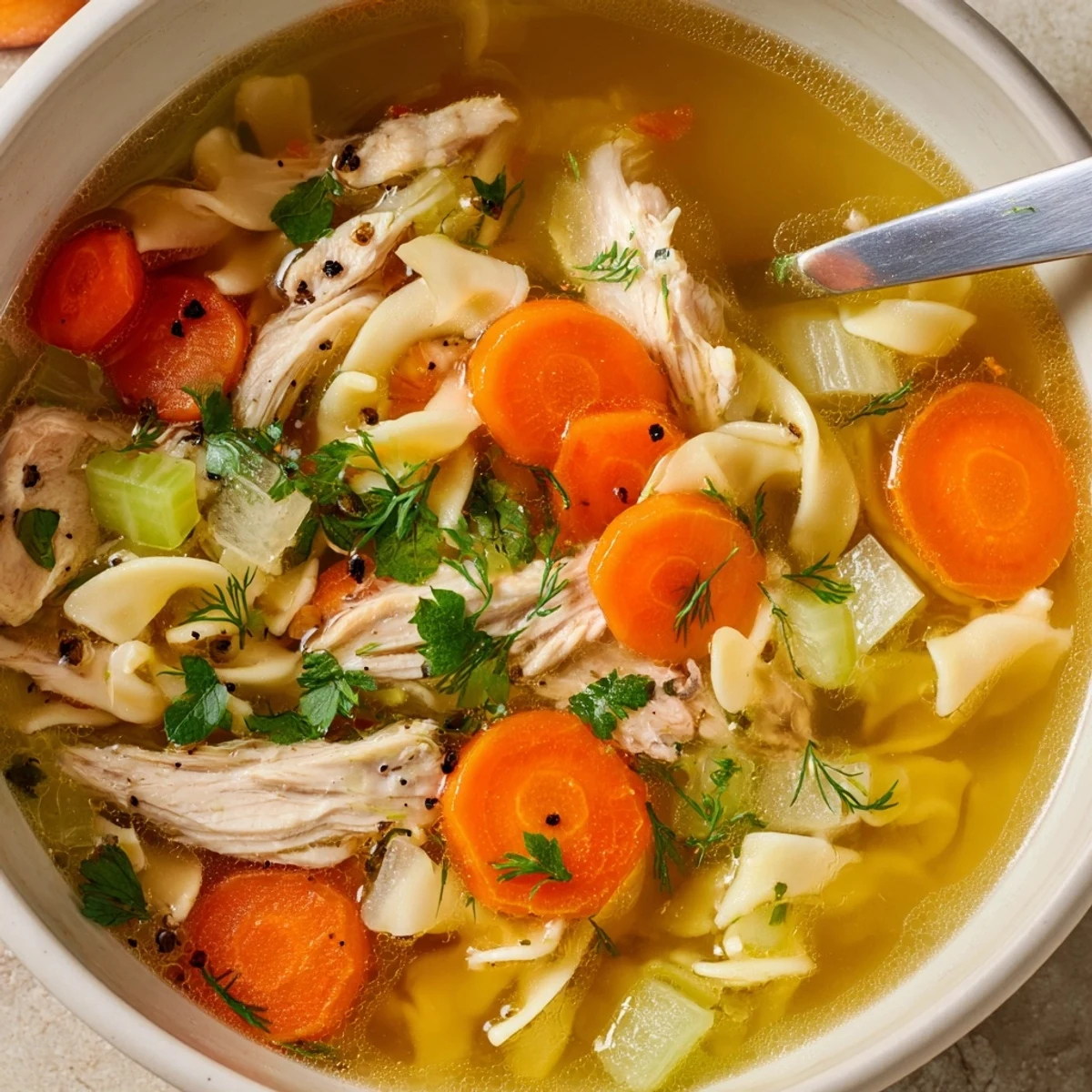
Save There is a specific kind of quiet that settles over a kitchen when you are making soup for someone who really needs it, and I have come to love that silence more than any dinner party chatter.
Making It Your Own
A handful of sliced mushrooms added in the last fifteen minutes gives the broth an unexpected depth that feels almost woodsy and autumnal. A squeeze of lemon juice right at the end brightens everything up the way a open window freshens a stuffy room.
Storing and Reheating
This soup keeps beautifully in the refrigerator for up to four days, and the flavors deepen each day as the vegetables and herbs continue to meld. If you added noodles, know that they will soften and soak up the broth, so you might need to splash in a little water when reheating.
What to Serve Alongside
A thick slice of crusty bread is really all you need, but a simple green salad with a sharp vinaigrette cuts through the richness of the broth nicely. A glass of Sauvignon Blanc on the side turns a humble bowl of soup into something that feels like a proper meal worth sitting down for.
- Toast the bread and rub it with a cut garlic clove for a lazy, brilliant accompaniment.
- Keep crackers on the table for anyone who wants extra crunch.
- Always serve soup in wide, shallow bowls because it stays warm longer and looks more inviting.
 Save
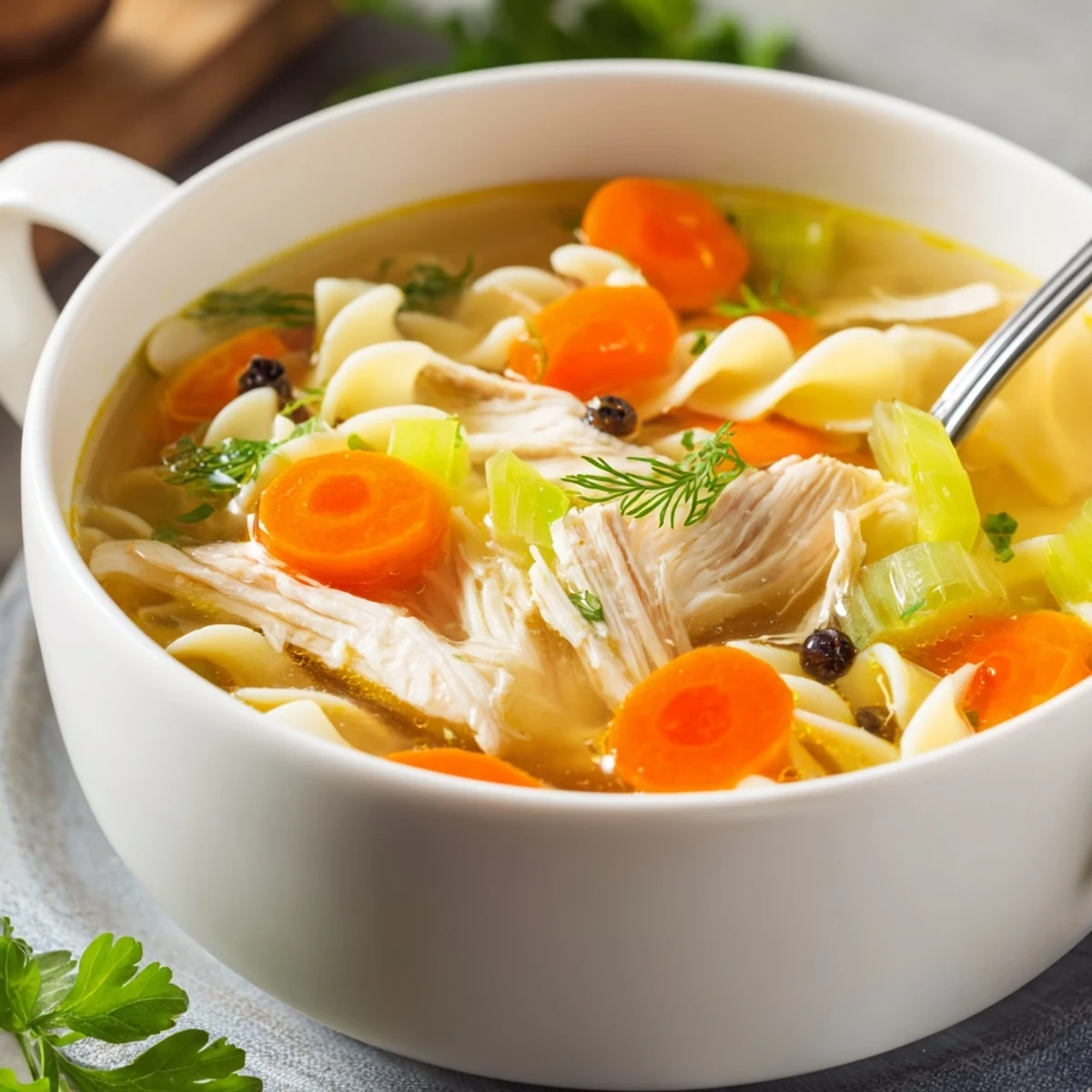
Save Some recipes you follow and forget, but chicken soup is the one that follows you through every cold season, every shared kitchen, and every quiet evening when nothing else will do. Make a pot soon and share it with someone who needs warming up.
Common Questions
- → Can I use boneless chicken instead of bone-in?
-
Yes. Boneless pieces cook faster and are convenient, but bone-in chicken adds extra depth to the broth. If using boneless, reduce simmer time and watch for overcooking.
- → How long should the pot simmer for best flavor?
-
Simmer gently for 45–60 minutes until the chicken is cooked through and vegetables are tender. Longer, very gentle simmering extracts more flavor from bones and aromatics.
- → Are there tips for a clearer broth?
-
Start with cold water, bring to a gentle simmer and skim foam frequently. Avoid a rolling boil and strain if needed for an extra-clear finish.
- → How can I make this gluten-free?
-
Use rice or certified gluten-free noodles instead of regular egg noodles and check labels on any packaged ingredients to ensure they are gluten-free.
- → Should I brown the vegetables or chicken first?
-
Sautéing vegetables in a little oil before adding liquid builds richer flavor and color. Lightly browning chicken pieces can also add depth, though it's optional for a lighter broth.
- → How should I store and reheat leftovers?
-
Cool quickly, refrigerate in an airtight container for up to 3–4 days, or freeze for longer. Reheat gently on the stovetop until steaming; add extra liquid if it has reduced.