
 Save
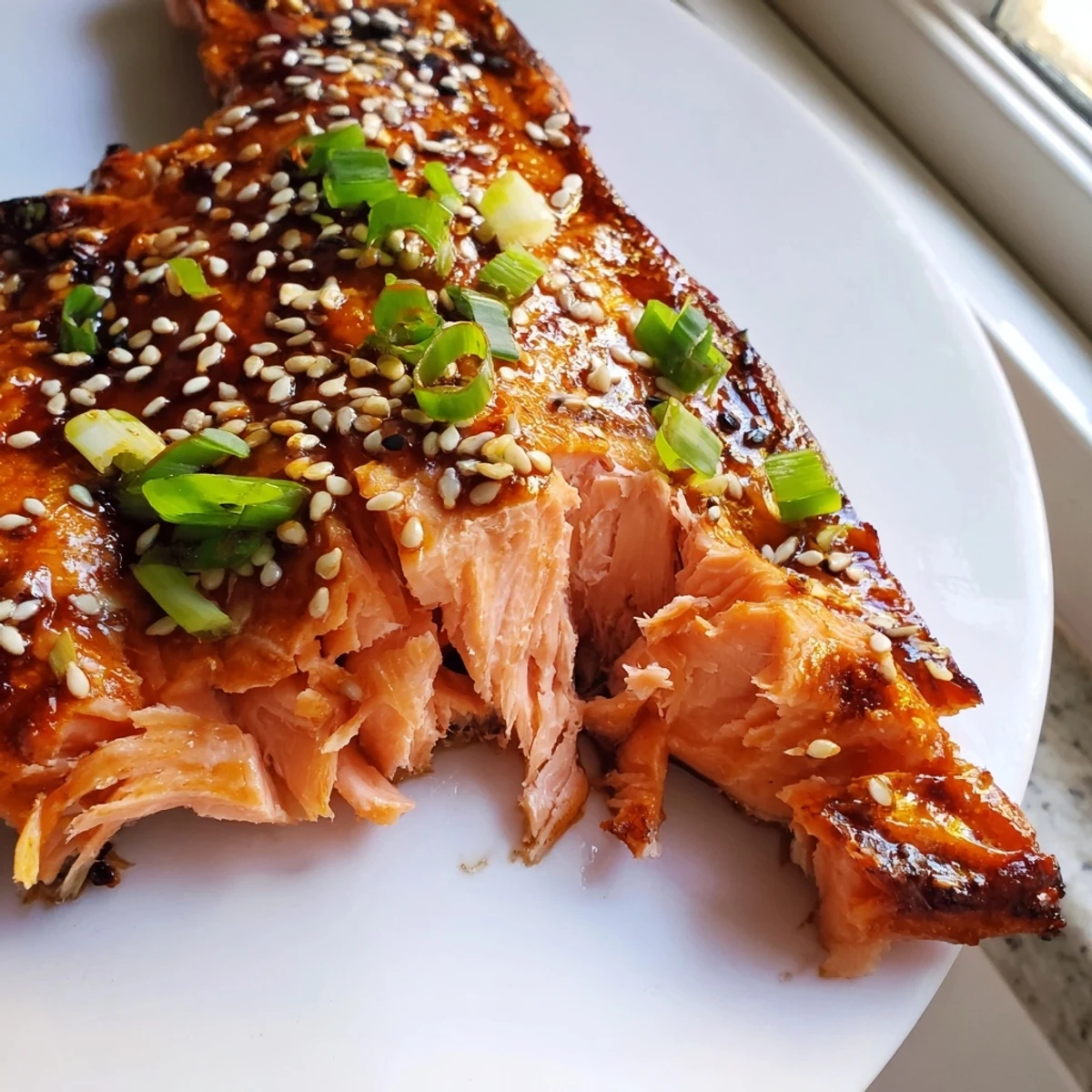
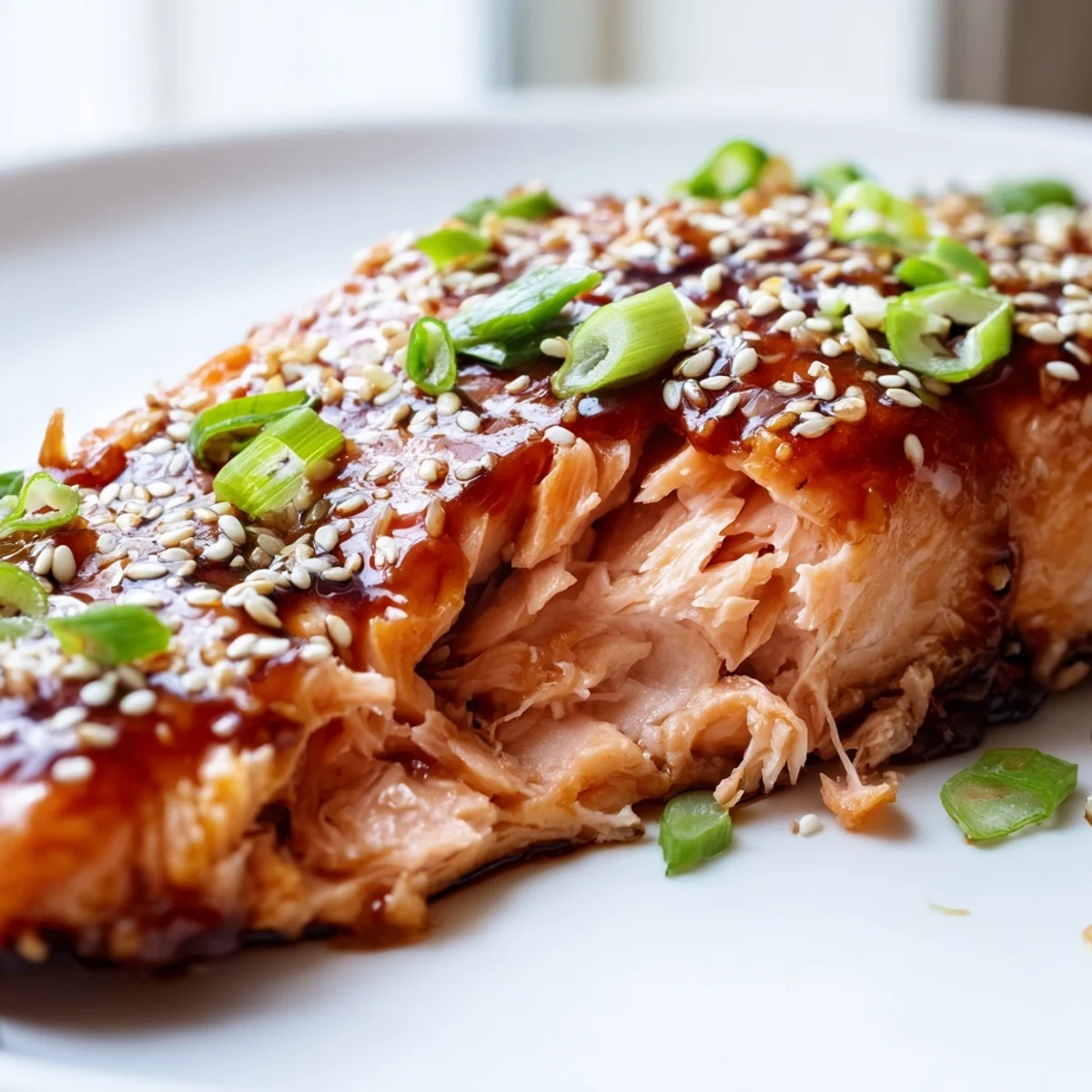
Save This baked Asian salmon features tender, flaky fillets coated in a rich savory-sweet glaze made from soy sauce, honey, sesame oil, fresh ginger, and garlic. After a brief marinating period, the salmon bakes at 200°C for just 15-18 minutes until perfectly cooked through.
The dish comes together in under 30 minutes, making it ideal for busy weeknights. Garnished with toasted sesame seeds and green onions, it pairs beautifully with steamed jasmine rice and sautéed vegetables. It's naturally gluten-free when using gluten-free soy sauce and fits pescatarian and dairy-free diets.
The oven had barely reached temperature when I realized I had been standing at the counter for five minutes just smelling the ginger and sesame oil mingling together in a small bowl. That combination stops me in my tracks every single time, something deeply savory undercut by a sweetness that promises dinner will be better than whatever stressful thing happened earlier. Baked Asian Salmon became my Tuesday night anchor for exactly this reason, it asks almost nothing and gives back everything.
A friend once dropped by unannounced on a rainy Thursday evening and I panicked because the only protein thawed was a slab of salmon from that mornings grocery run. I threw this marinade together on instinct, slid the fish into the oven, and poured two glasses of something cold while we caught up. She now texts me every few weeks asking for the recipe, and I pretend it is more complicated than it actually is.
Ingredients
- Salmon fillets (4, about 170 g each): Skin on holds together beautifully during baking but skinless works fine if that is what you have.
- Soy sauce (60 ml): The salty backbone of the glaze, and gluten free tamari works just as well if needed.
- Honey or maple syrup (2 tbsp): This is what helps the edges caramelize and turn deeply golden in the oven.
- Sesame oil (1 tbsp): A little goes a long way and adds that unmistakable toasty warmth.
- Rice vinegar or lime juice (2 tbsp): Brightens the whole thing so the sweetness never becomes cloying.
- Fresh ginger, grated (1 tbsp): Use a microplane and grate it directly into the bowl to catch every drop of juice.
- Garlic, finely minced (2 cloves): Fresh garlic matters here since it gets mellow and sweet during baking.
- Sriracha or chili paste (1 tbsp, optional): Adds a gentle hum of heat that balances the honey.
- Toasted sesame seeds (1 tsp): Pure crunch and visual appeal sprinkled on at the very end.
- Green onions, sliced (2 tbsp): A fresh sharp contrast that wakes up the rich glaze.
Instructions
- Preheat and prep:
- Set your oven to 200 C (400 F) and line a baking tray with parchment or foil so cleanup is effortless later.
- Whisk the glaze:
- Combine the soy sauce, honey, sesame oil, rice vinegar, ginger, garlic, and sriracha in a bowl and whisk until the honey dissolves and everything looks glossy and unified.
- Coat the fish:
- Lay the salmon fillets on the prepared tray and spoon the marinade generously over each one, saving a small amount to drizzle on after baking if you like extra sauciness.
- Let it rest briefly:
- Give the salmon about 10 minutes at room temperature to absorb the glaze, which makes a surprising difference in flavor with almost no effort.
- Bake until flaky:
- Slide the tray into the oven and bake for 15 to 18 minutes, watching for the moment the fish flakes easily at the thickest part and the edges turn a deep sticky amber.
- Garnish and serve:
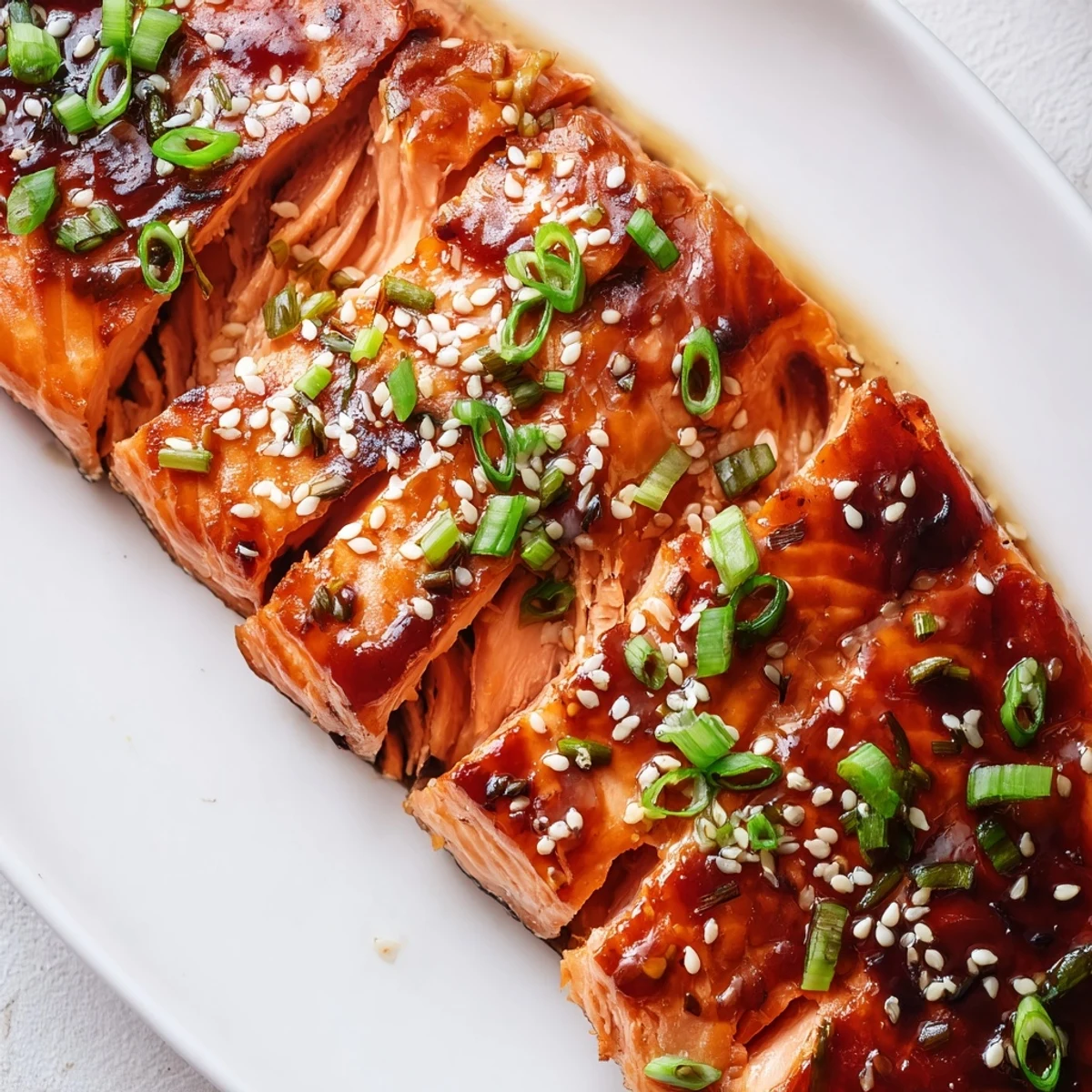
- Pull the tray out, drizzle any reserved marinade on top, scatter sesame seeds and green onions across the fillets, and serve immediately while the edges are still slightly caramelized.
 Save
Save There is a specific kind of quiet that settles over a dinner table when everyone is too busy eating to talk, and this salmon has caused that silence more reliably than anything else I cook.
What to Serve Alongside
Steamed jasmine rice is the obvious choice and for good reason because it soaks up every drop of the extra glaze like a sponge. Sautéed bok choy with a splash of soy sauce or a crunchy Asian inspired slaw both add texture that the tender fish needs. I have also served it over cold soba noodles on warm nights and nobody complained.
Making It Your Own
Maple syrup slides in for honey seamlessly if you prefer a slightly less floral sweetness, and coconut aminos work beautifully for anyone avoiding soy entirely. I have added a tablespoon of miso paste to the marinade on ambitious nights and it deepens everything into something almost restaurant worthy. The recipe forgives substitutions generously so feel free to follow your own taste.
Storage and Reheating
Leftovers keep well in the fridge for up to two days and make an excellent cold lunch flaked over a bowl of rice with whatever vegetables are lingering.
- Reheat gently in a low oven rather than a microwave to preserve the texture of the glaze.
- Flake any remaining salmon into a salad the next day and call it a triumph of planning.
- Do not freeze the glazed fillets because the texture suffers more than the flavor is worth.
 Save
Save Some recipes earn a permanent spot in your rotation not because they are impressive but because they make an ordinary evening feel a little more intentional. This is that recipe for me, and I hope it becomes yours too.
Common Questions
- → What temperature should I bake the salmon at?
-
Bake the salmon at 200°C (400°F) for 15-18 minutes, or until it flakes easily with a fork and is just cooked through.
- → Can I marinate the salmon ahead of time?
-
Yes, for deeper flavor you can marinate the salmon for up to 30 minutes in the fridge. Even a quick 10-minute rest at room temperature works well.
- → How do I get a crispier top on the salmon?
-
After baking, broil the salmon for an additional 2 minutes. This caramelizes the glaze and creates a delicious slightly crispy surface.
- → What can I substitute for soy sauce?
-
Coconut aminos work well as a soy-free alternative. For a gluten-free option, simply use certified gluten-free soy sauce or tamari.
- → What sides go well with this Asian salmon?
-
Steamed jasmine rice, sautéed bok choy, or an Asian-inspired slaw complement the salmon beautifully. Sautéed vegetables or stir-fried noodles also pair nicely.
- → Can I use frozen salmon fillets?
-
Yes, but thaw them completely in the refrigerator overnight before marinating and baking. Pat the fillets dry before applying the glaze for better adhesion.